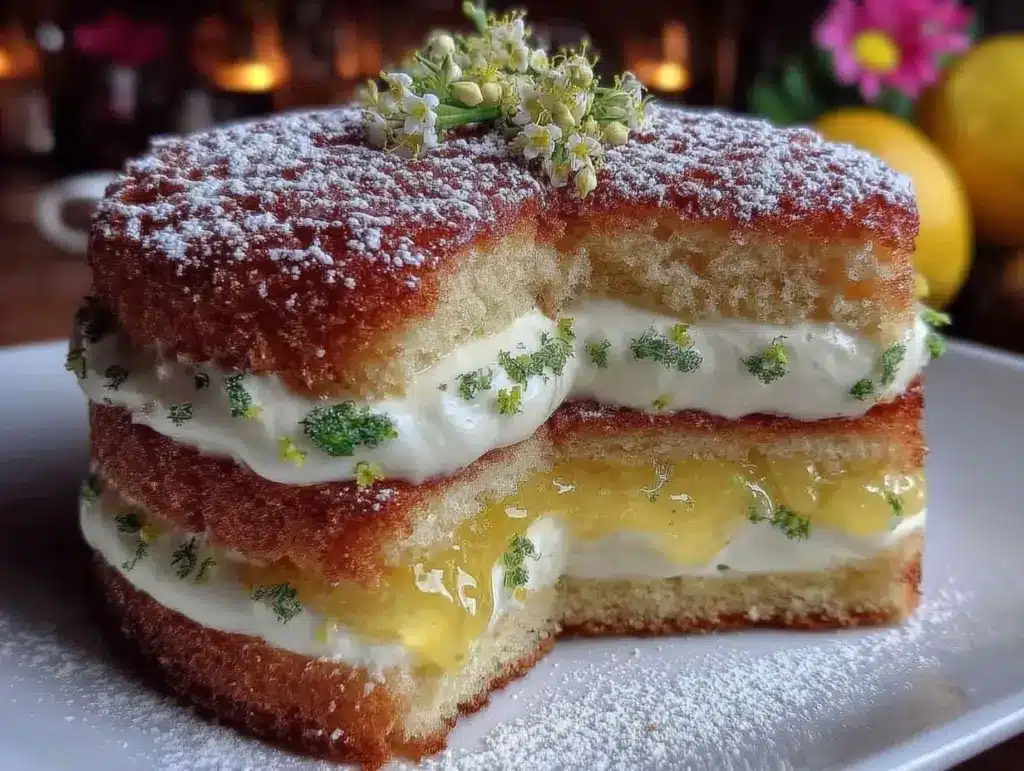
“You’ve got to try this lemon elderflower cake,” my neighbor texted me last spring, right when the lilacs outside were just beginning to bloom. Honestly, I was skeptical—Victoria sponge cakes always felt a bit too traditional, a bit too heavy for my taste. But something about the promise of elderflower’s delicate floral notes paired with zesty lemon caught my attention. So, I set out to bake it that very weekend, thinking it might be a breezy, easy dessert for spring gatherings.
Halfway through, I realized this wasn’t your everyday sponge cake. The lightness of the batter, the subtle perfume of elderflower syrup, and the lively zing of lemon zest all came together in a way that surprised me. It wasn’t just a cake; it was a little celebration on a plate—refreshing yet comforting, and honestly, a bit addictive. I found myself making this Light Lemon Elderflower Victoria Sponge Cake multiple times that season, each time perfecting the layers and the balance of flavors.
What really sticks with me about this recipe is that quiet moment right after the first bite, when the sharp citrus wakes your senses, but the elderflower warmth tugs you back in. It’s a cake that feels like sunshine after a drizzle—bright, hopeful, and just a little bit fancy without trying too hard. That’s why it’s stayed a staple, whether I’m hosting an impromptu tea party or just craving something a little different to celebrate an ordinary afternoon.
Why You’ll Love This Recipe
This Light Lemon Elderflower Victoria Sponge Cake isn’t just any cake—it’s a thoughtfully crafted treat that pairs classic British charm with a refreshing twist. From my kitchen to yours, here’s why this recipe has earned a permanent spot in my baking rotation:
- Quick & Easy: The batter comes together in under 30 minutes, making it perfect for last-minute celebrations or when your sweet tooth calls unexpectedly.
- Simple Ingredients: No fancy or hard-to-find items here. Most are pantry staples, with elderflower cordial being the only special touch.
- Perfect for Spring & Summer: Whether it’s a garden party or a cozy afternoon tea, this cake’s zesty freshness fits the mood.
- Crowd-Pleaser: Friends and family rave about the light crumb and floral notes—kids and adults alike.
- Unbelievably Delicious: The combination of juicy lemon zest layered with elderflower-infused cream creates a flavor profile that’s both vibrant and delicate.
What sets this recipe apart is the layering technique and the infusion of elderflower syrup right into the cream filling—giving it that subtle, enchanting aroma that lifts it above your standard sponge. Plus, the zesty lemon layers aren’t overly tart; they’re balanced perfectly to keep the cake light and airy. Honestly, it’s the kind of dessert that makes you pause, savor, and maybe even close your eyes for a moment.
It’s a cake that’s equally charming for impressing guests or simply making an ordinary day feel special. I’ve even adapted the recipe for a gluten-free version once, and it came out beautifully—proof that this cake is as versatile as it is delightful.
What Ingredients You Will Need
This recipe embraces simple, wholesome ingredients that come together to create a delightfully zesty and aromatic sponge cake. Most of these you probably already have, and if not, the substitutions are straightforward.
- For the Sponge Cake:
- All-purpose flour (240g / 2 cups) – for a tender, classic crumb
- Baking powder (2 tsp) – helps the cake rise just right
- Unsalted butter (180g / ¾ cup), softened – adds richness and moisture
- Granulated sugar (200g / 1 cup) – sweetens without overpowering
- Large eggs (3), room temperature – essential for structure and fluffiness
- Whole milk (120ml / ½ cup), room temperature – moistens the batter
- Fresh lemon zest (from 2 lemons) – gives that bright, zesty pop
- Pure vanilla extract (1 tsp) – rounds out the flavors
- For the Elderflower Cream Filling:
- Heavy cream (240ml / 1 cup), cold – whipped to light peaks for fluffy filling
- Elderflower cordial (3 tbsp) – the star floral flavor; I recommend Stirrings for authenticity
- Powdered sugar (2 tbsp), sifted – gently sweetens the cream
- Fresh lemon juice (1 tbsp) – balances sweetness with a slight tang
- For the Lemon Syrup (to brush on sponge layers):
- Water (60ml / ¼ cup)
- Granulated sugar (50g / ¼ cup)
- Fresh lemon juice (2 tbsp)
- Optional Decoration:
- Fresh edible flowers or lemon zest curls – for a pretty finishing touch
If you need a gluten-free option, almond flour works nicely but expect a slightly denser texture. For dairy-free, swapping heavy cream with coconut cream and butter with a plant-based alternative will still keep the cake delicious. In summer, I sometimes add a handful of fresh raspberries between the layers for a fruity twist.
Equipment Needed
- Two 8-inch (20 cm) round cake pans – I prefer non-stick for easy release, but parchment lining works too
- Mixing bowls – at least two; one for dry ingredients and one for wet
- Electric mixer or stand mixer – makes whipping cream and creaming butter a breeze
- Whisk and spatula – for folding and mixing batter gently
- Citrus zester or microplane – for zesting lemons finely
- Measuring cups and spoons – accuracy helps with cake texture
- Cooling rack – allows the cakes to cool evenly, preventing sogginess
While a stand mixer saves time, handheld beaters work just fine if you’re patient. I’ve made this cake with a whisk alone when the mixer was out of commission—just takes a bit more muscle! Using a silicone spatula helps fold in the dry ingredients gently to keep the sponge airy. Don’t skip the cooling rack; a warm cake left in the pan traps steam and can ruin that perfect crumb.
Preparation Method
- Prepare the pans and preheat oven: Butter two 8-inch round pans and line the bottoms with parchment paper. Preheat your oven to 350°F (175°C). This ensures even heat right from the start.
- Mix dry ingredients: In a medium bowl, sift together 240g (2 cups) all-purpose flour and 2 teaspoons baking powder. Set aside to keep the rise consistent.
- Cream butter and sugar: Using an electric mixer, beat 180g (¾ cup) softened unsalted butter with 200g (1 cup) granulated sugar until pale and fluffy—about 3-5 minutes. This step traps air, which is crucial for a light sponge.
- Add eggs and flavorings: Beat in 3 large eggs, one at a time, making sure each is fully incorporated. Stir in zest of 2 lemons and 1 teaspoon vanilla extract.
- Combine wet and dry: Alternately add the flour mixture and 120ml (½ cup) room temperature milk in three parts, beginning and ending with the flour. Fold gently after each addition to avoid deflating the batter.
- Divide and bake: Pour the batter evenly into the prepared pans and smooth the tops. Bake for 25-30 minutes or until a toothpick inserted in the center comes out clean. The cakes should be golden and springy to the touch.
- Make lemon syrup: While the cakes bake, combine 60ml (¼ cup) water, 50g (¼ cup) sugar, and 2 tablespoons lemon juice in a small saucepan. Heat gently until sugar dissolves, then cool completely.
- Cool and brush: Let cakes cool in pans for 10 minutes, then turn out onto a cooling rack. Once cool, brush the lemon syrup generously over each layer—this adds moisture and extra zing.
- Prepare elderflower cream: Whip 240ml (1 cup) cold heavy cream with 2 tablespoons powdered sugar until soft peaks form. Gently fold in 3 tablespoons elderflower cordial and 1 tablespoon fresh lemon juice. Taste and adjust if you want a brighter tang.
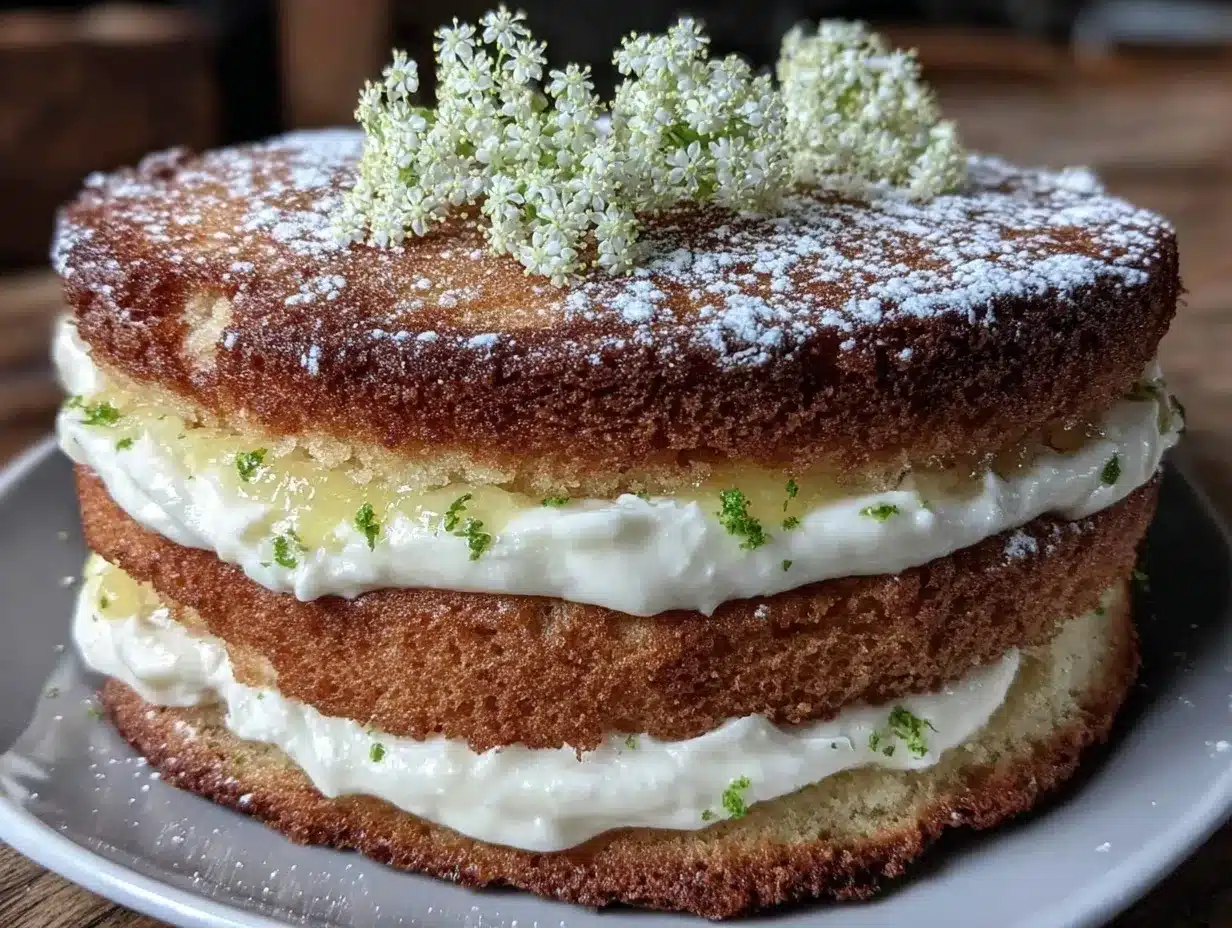
- Assemble the cake: Place one sponge layer on your serving plate. Spread half the elderflower cream evenly on top. Add the second layer and top with remaining cream. For an extra touch, decorate with fresh edible flowers or lemon zest curls.
- Chill before serving: Refrigerate for at least 1 hour to let the flavors meld and the cream set beautifully.
If the cream becomes too stiff, a quick whisk before assembling smooths it out. If you notice your sponge sinking in the middle, it might be underbaked; just pop it back in for a few more minutes. Remember, the lemon syrup makes a huge difference in keeping the sponge moist—don’t skip it!
Cooking Tips & Techniques
Making a perfectly light Victoria sponge can feel a bit intimidating, but here are some tips I’ve learned over multiple bakes:
- Butter temperature matters: Softened, but not melted, butter beats up better with sugar to trap air. If too cold, your cake may turn dense.
- Don’t overmix: Once you add flour, fold gently to keep the batter airy. Overmixing activates gluten, leading to a tough crumb.
- Eggs at room temp: They blend more smoothly, helping the cake rise evenly.
- Sift the flour: This adds lightness and ensures no lumps.
- Use fresh lemon zest: It’s punchier than bottled extracts. I sometimes zest just before mixing to preserve the brightness.
- Brush on lemon syrup: This little step keeps the sponge moist and gives an extra layer of flavor—a game-changer, honestly.
- Chill the cake: It’s easier to slice and assemble when slightly chilled, and flavors marry better.
Once, I accidentally whipped the cream too much and ended up with butter—lesson learned! Stop whipping as soon as soft peaks hold their shape but still look fluffy. Also, if you’re pressed for time, you can prep the sponge a day ahead and keep it wrapped tightly to retain moisture.
Variations & Adaptations
This Light Lemon Elderflower Victoria Sponge Cake is wonderfully flexible. Here are a few ways I’ve played with it:
- Berry Infusion: Add fresh raspberries or strawberries between the layers along with the elderflower cream for a fruity lift.
- Gluten-Free Version: Substitute all-purpose flour with a 1:1 gluten-free baking blend. The texture is slightly denser but still moist and delicious.
- Dairy-Free Adaptation: Use coconut cream whipped with a little powdered sugar and swap butter for vegan margarine or coconut oil.
- Herbal Twist: Stir finely chopped fresh mint or basil into the cream for a garden-fresh flavor.
- Layered Lemon Curd: I sometimes spread a thin layer of lemon curd under the cream for extra tartness and richness.
For a quicker version, try baking the sponge in a single 9-inch pan and slicing it horizontally once cooled, though I prefer the two-layer approach for even baking. If you want to make it extra fancy, piping the elderflower cream into rosettes on top adds a charming finish. One time, I swapped the elderflower cordial for rosewater—while different, it was surprisingly lovely!
Serving & Storage Suggestions
This cake is best served chilled or at cool room temperature, letting those zesty and floral layers shine. I like to slice it with a serrated knife, wiping between cuts to keep edges neat. Presenting it with a few fresh lemon slices or edible flowers adds a lovely visual touch.
Pair it with a cup of English breakfast tea or a light sparkling wine for a proper afternoon treat. For something heartier, a dollop of vanilla bean ice cream on the side complements the cake’s brightness well.
Store leftover cake in an airtight container in the fridge for up to 3 days. The flavors actually deepen after a day, becoming more harmonious. For longer storage, wrap tightly in plastic wrap and freeze for up to 2 months. Thaw overnight in the fridge before serving.
Reheating isn’t recommended because the cream filling can separate, but if you prefer your cake slightly warmer, let it sit at room temperature for 15-20 minutes before serving.
If you’ve enjoyed any of the cozy recipes like the slow cooker French onion soup or the creamy vegan mac and cheese, this cake adds a bright, sweet contrast to your menu that’s just right for spring or summer.
Nutritional Information & Benefits
This Light Lemon Elderflower Victoria Sponge Cake is a treat with relatively modest calories given its size—roughly 320 calories per slice (based on 12 servings). The key ingredients offer some perks:
- Lemons: Great source of vitamin C and antioxidants, supporting immune health.
- Elderflower cordial: Traditionally considered soothing and mildly anti-inflammatory (though used here mainly for flavor).
- Eggs and butter: Provide protein and fat to keep you satisfied.
The cake isn’t low-carb or sugar-free but feels lighter than many rich desserts thanks to the whipped cream filling and lemon syrup instead of heavy frosting. For those with gluten sensitivities, swapping flours helps keep it inclusive. Just a heads-up—this recipe contains dairy and eggs, so it’s not suitable for vegans or those with dairy allergies unless adapted.
From a wellness perspective, it’s a satisfying sweet indulgence that’s balanced by fresh citrus and floral notes, making it feel less like a heavy dessert and more like a celebration of natural flavors.
Conclusion
This Light Lemon Elderflower Victoria Sponge Cake is one of those recipes that sneaks into your heart with every bite. It’s bright, airy, and floral in a way that feels thoughtful and a bit special—without being fussy. I love how easy it is to make, yet how impressive it looks and tastes.
Whether you want a fresh take on a classic Victoria sponge or just need a simple, delicious cake that brings a little sunshine to your table, this recipe’s got you covered. Feel free to tweak it with berries, herbs, or your favorite citrus twists—after all, the best cakes are the ones that reflect your style.
If you give it a try, I’d love to hear which variation you enjoyed most or any tips you discovered along the way. Baking’s better when shared, don’t you think? Here’s to many delightful slices ahead!
FAQs About Light Lemon Elderflower Victoria Sponge Cake
- Can I use bottled lemon juice instead of fresh lemon zest?
Fresh zest provides much more vibrant flavor and aroma than bottled juice, so it’s best to use fresh lemons for zesting. You can use bottled lemon juice in the syrup and cream if needed. - What if I don’t have elderflower cordial?
You can substitute with rosewater or orange blossom water, but the flavor will change. Alternatively, add a teaspoon of vanilla extract for a different but still pleasant floral note. - How do I know when the sponge cake is done?
Insert a toothpick into the center. If it comes out clean or with a few moist crumbs, it’s ready. The cake should also spring back when gently pressed. - Can I prepare this cake ahead of time?
Yes! Bake the sponge layers a day ahead and keep them wrapped tightly. Assemble the cake the day you plan to serve it for the freshest cream texture. - How do I store leftover cake?
Keep it refrigerated in an airtight container for up to 3 days. For longer storage, wrap well and freeze for up to 2 months. Thaw in the fridge before serving.
Pin This Recipe!
Light Lemon Elderflower Victoria Sponge Cake

A light and zesty layered Victoria sponge cake infused with delicate elderflower syrup and fresh lemon zest, perfect for spring and summer gatherings.
- Prep Time: 20 minutes
- Cook Time: 30 minutes
- Total Time: 1 hour 50 minutes
- Yield: 12 servings 1x
- Category: Dessert
- Cuisine: British
Ingredients
- 240g (2 cups) all-purpose flour
- 2 tsp baking powder
- 180g (3/4 cup) unsalted butter, softened
- 200g (1 cup) granulated sugar
- 3 large eggs, room temperature
- 120ml (1/2 cup) whole milk, room temperature
- Zest of 2 lemons
- 1 tsp pure vanilla extract
- 240ml (1 cup) heavy cream, cold
- 3 tbsp elderflower cordial
- 2 tbsp powdered sugar, sifted
- 1 tbsp fresh lemon juice
- 60ml (1/4 cup) water
- 50g (1/4 cup) granulated sugar
- 2 tbsp fresh lemon juice
- Optional: fresh edible flowers or lemon zest curls for decoration
Instructions
- Butter two 8-inch round pans and line the bottoms with parchment paper. Preheat oven to 350°F (175°C).
- Sift together 240g (2 cups) all-purpose flour and 2 tsp baking powder in a medium bowl; set aside.
- Using an electric mixer, beat 180g (3/4 cup) softened unsalted butter with 200g (1 cup) granulated sugar until pale and fluffy, about 3-5 minutes.
- Beat in 3 large eggs one at a time, fully incorporating each. Stir in zest of 2 lemons and 1 tsp vanilla extract.
- Alternately add the flour mixture and 120ml (1/2 cup) room temperature milk in three parts, beginning and ending with the flour. Fold gently after each addition.
- Divide batter evenly into prepared pans and smooth tops. Bake for 25-30 minutes or until a toothpick inserted in the center comes out clean and cakes are golden and springy.
- While cakes bake, combine 60ml (1/4 cup) water, 50g (1/4 cup) sugar, and 2 tbsp lemon juice in a small saucepan. Heat gently until sugar dissolves, then cool completely.
- Let cakes cool in pans for 10 minutes, then turn out onto a cooling rack. Once cool, brush lemon syrup generously over each layer.
- Whip 240ml (1 cup) cold heavy cream with 2 tbsp powdered sugar until soft peaks form. Gently fold in 3 tbsp elderflower cordial and 1 tbsp fresh lemon juice. Adjust to taste.
- Place one sponge layer on serving plate. Spread half the elderflower cream evenly on top. Add second layer and top with remaining cream. Decorate with fresh edible flowers or lemon zest curls if desired.
- Refrigerate assembled cake for at least 1 hour before serving to let flavors meld and cream set.
Notes
Use softened but not melted butter for best texture. Fold flour gently to keep batter airy. Brush lemon syrup on cooled cakes to keep moist. Chill cake before slicing for easier assembly and better flavor melding. Fresh lemon zest is preferred over bottled for vibrant flavor. If cream becomes too stiff, whisk briefly before assembling. For gluten-free, substitute flour with gluten-free blend; for dairy-free, use coconut cream and plant-based butter.
Nutrition
- Serving Size: 1 slice (1/12th of c
- Calories: 320
- Sugar: 24
- Sodium: 150
- Fat: 18
- Saturated Fat: 11
- Carbohydrates: 36
- Fiber: 1
- Protein: 4
Keywords: lemon cake, elderflower cake, Victoria sponge, layered dessert, spring dessert, easy cake recipe, floral cake, zesty cake