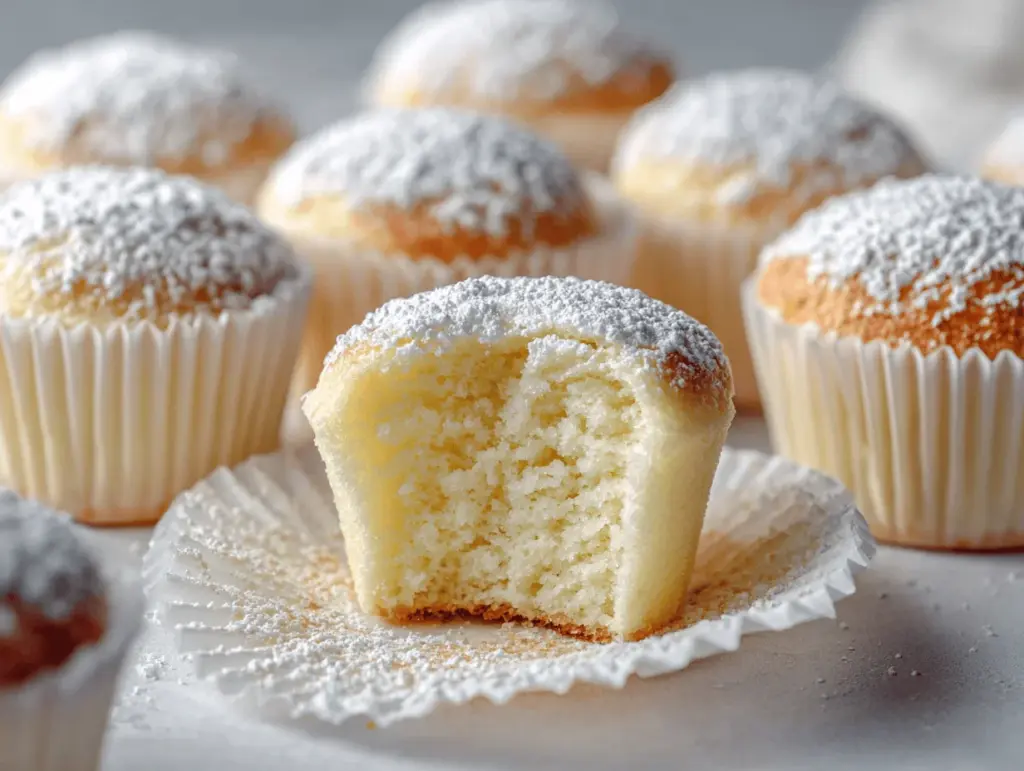
The first time I bit into a Japanese cotton cheesecake cupcake, I swear it was like eating a little cloud. Imagine a cupcake so soft, so feather-light, you need to close your eyes just to fully appreciate that melt-in-your-mouth moment. These Japanese cotton cheesecake cupcakes manage to be both creamy and airy, and let’s be honest, they look totally adorable on any dessert table. I stumbled on this recipe during a baking binge—trying to impress my picky teenager, who, let’s face it, thinks she’s a cupcake connoisseur. One batch in, and the whole family was hooked (even my husband, who usually claims he “doesn’t like sweets”).
What makes these cotton cheesecake cupcakes so special? It’s that unique Japanese take: a dreamy blend of cheesecake and soufflé, baked into personal-sized treats that practically bounce when you poke them. No joke, after making these a dozen times, I’ve learned every trick for getting them fluffy without fuss. This recipe is my go-to for birthdays, after-school snacks, and those moments when you need a little comfort (or a pick-me-up with your afternoon tea). They’re perfect for sharing, but honestly, you might want to keep a few for yourself. If you’re new to Japanese baking, trust me—these little wonders will convert you, and you don’t need fancy ingredients or a culinary degree. Just a bit of patience, a gentle hand, and maybe a pinch of curiosity.
This Japanese cotton cheesecake cupcakes recipe is ideal for anyone who craves a soft, lightly sweet dessert—whether you’re hosting a brunch, packing lunchboxes, or simply want to impress your friends with something that looks (and tastes) like it came from a boutique bakery. Stick with me, and I’ll walk you through the steps, share my hard-earned tips, and show you exactly how to get that signature fluffy texture every single time. Ready to meet your new favorite cupcake?
Why You’ll Love This Recipe
- Light as Air: The texture of these Japanese cotton cheesecake cupcakes is unlike any cupcake you’ve tried—pillowy, tender, and just the right amount of creamy.
- Easy to Make at Home: No water bath drama or complicated steps. If you can separate eggs and mix batter, you’re set.
- Everyday Ingredients: You probably have most of these in your kitchen already (think eggs, cream cheese, sugar, milk, and a little flour).
- Gorgeous for Any Occasion: Perfect for birthdays, brunches, tea parties, or whenever you want to impress. They look so cute lined up in cupcake wrappers—Pinterest-worthy, honestly!
- Kid and Adult Approved: My daughter and her friends request these constantly, and adults rave about the subtle sweetness and soft bite.
- Not Your Average Cheesecake: Unlike heavy, dense cheesecakes, these are light enough to enjoy two (or three) without feeling weighed down. The Japanese cotton cheesecake cupcake style is just so unique—think soufflé meets cheesecake, in cupcake form.
After many test runs, I can promise you this: these cupcakes come out consistently fluffy and smooth. I use a gentle folding technique for the meringue, and bake them at a lower temperature for that perfect rise (without cracks). There’s something so satisfying about peeling the wrapper off a cupcake that’s impossibly soft—it’s a tiny luxury, and it always feels special. They’re also great for making ahead, since they stay moist for days (if they last that long). Whether you’re a baking newbie or a seasoned home chef, this Japanese cotton cheesecake cupcakes recipe is bound to become a favorite. Each bite is a little celebration—light, creamy, and just sweet enough to keep you coming back for more.
What Ingredients You Will Need
This Japanese cotton cheesecake cupcakes recipe uses simple, honest ingredients to create that signature fluffy, melt-in-your-mouth texture. Most are pantry or fridge staples, but I’ll share some brand notes and substitution options too.
- Cream Cheese (full-fat, softened; about 8 oz/225g) – I usually go for Philadelphia for the smoothest result, but any good-quality block-style works.
- Unsalted Butter (2 tbsp/30g, softened) – Adds richness and helps with that silky mouthfeel.
- Whole Milk (1/3 cup/80ml, room temperature) – Helps loosen the batter and keeps it tender. You can use 2% if needed, but avoid skim for best texture.
- Egg Yolks (3 large, room temperature) – For a rich, golden batter. Save the whites for the meringue.
- Cake Flour (1/4 cup/30g, sifted) – Cake flour is best for a soft, airy crumb. If you only have all-purpose, sift it twice to lighten it up.
- Cornstarch (1 tbsp/10g) – Stabilizes the batter and helps create that signature fluffy lift.
- Lemon Juice (1 tsp/5ml) – Brightens up the flavor and balances the richness. Fresh is best, but bottled will do in a pinch.
- Vanilla Extract (1 tsp/5ml) – For a sweet, fragrant base note. I like using pure vanilla, but any will work.
- Egg Whites (3 large, room temperature) – These get whipped into a meringue, adding all that volume and fluff.
- Granulated Sugar (1/3 cup/70g, divided) – Some goes in the batter, some stabilizes the meringue.
- Cream of Tartar (1/4 tsp) – Optional, but helps stabilize egg whites. If you don’t have it, just be extra gentle with your meringue.
- Pinch of Salt – Just a tiny bit to help round out the flavors.
Optional toppings:
- Powdered Sugar – For dusting before serving (makes them look extra pretty!)
- Fresh Berries – Strawberries, blueberries, or raspberries for a pop of color and flavor.
- Whipped Cream – A dollop on top is always welcome.
Ingredient tips: If you’re looking to make these gluten-free, swap cake flour for a 1:1 gluten-free blend. Dairy-free? Try vegan cream cheese and a neutral plant milk, but results may be a little less fluffy. For richer flavor, add a splash of almond extract, or if you love a citrus twist, a bit of lemon zest works wonders. I’ve even tried swapping in matcha powder for a fun green tea version (more on that later).
Equipment Needed
- 12-cup Muffin Pan – Standard size. If you only have a 6-cup tin, bake in two batches.
- Cupcake Liners – Paper or silicone, whichever you prefer. Silicone liners pop out easily and are reusable (bonus for eco-friendly bakers!).
- Electric Mixer – Handheld or stand mixer for whipping the meringue. You can do it by hand, but your arm might protest.
- Mixing Bowls – At least two: one for the cream cheese mixture, one for egg whites. Glass or stainless steel is best for meringue since plastic can retain grease.
- Rubber Spatula – For gently folding batter and scraping every last bit.
- Measuring Cups and Spoons – For accuracy. I always double-check the flour since too much can weigh down the cupcakes.
- Sifter or Fine-Mesh Sieve – For aerating the flour and cornstarch; makes a big difference in texture.
- Cooling Rack – Helps the cupcakes cool evenly and prevents sogginess.
If you don’t have a stand mixer, a sturdy hand whisk can work (though you’ll get a workout). For the muffin pan, I’ve used both nonstick and regular—just grease well if you’re skipping liners. My trusty old hand mixer has survived a decade of baking, so don’t stress about the brand. For cleanup, soak your mixer beaters and bowls right away—dried meringue is a pain to scrub off!
Preparation Method
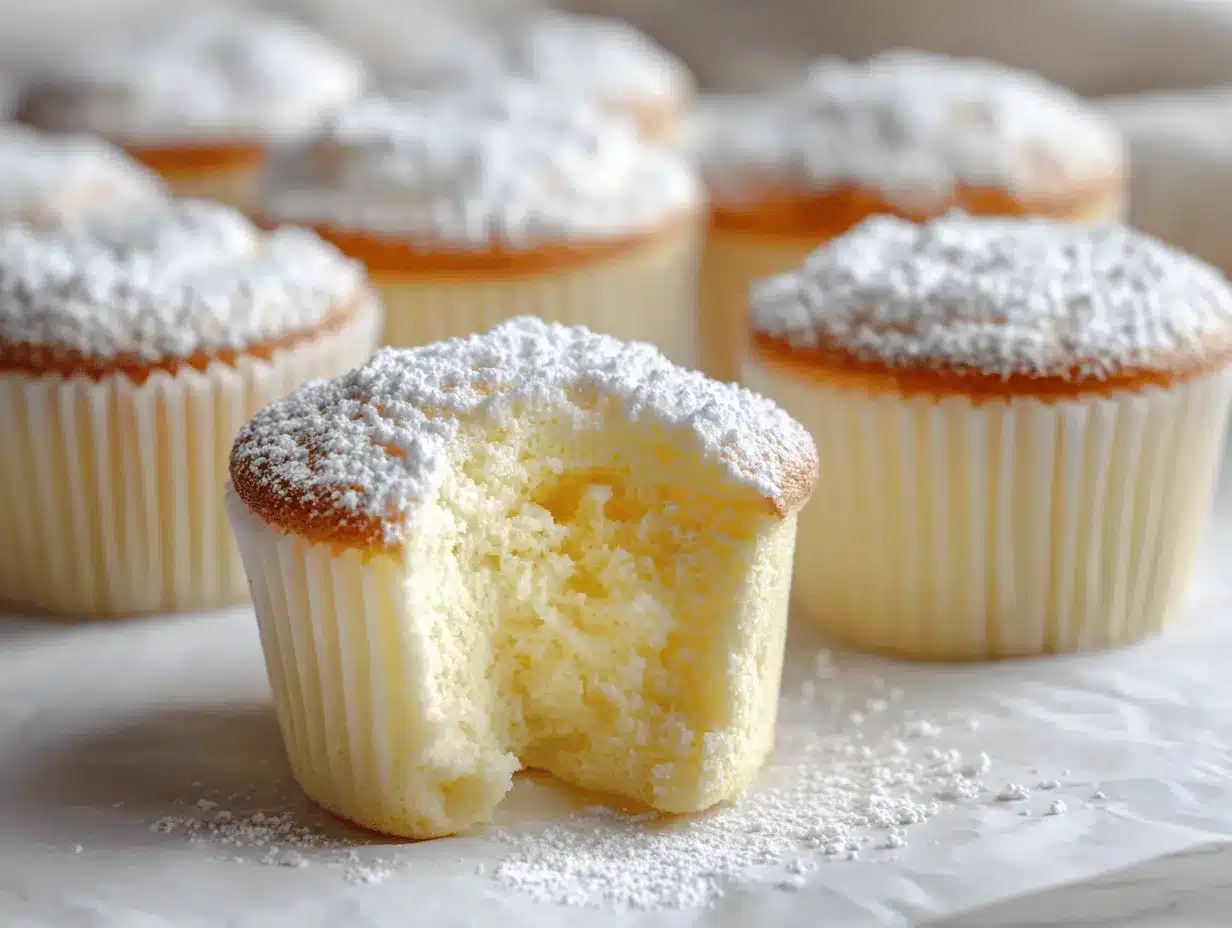
- Prep the oven and pans: Preheat your oven to 300°F (150°C). Line a 12-cup muffin pan with cupcake liners. Fill any empty cups with water to prevent uneven baking.
- Soften and blend cream cheese: In a mixing bowl, beat 8 oz (225g) softened cream cheese and 2 tbsp (30g) unsalted butter until completely smooth and lump-free—about 2-3 minutes. (You want it creamy, not chunky.)
- Add liquids and yolks: Gradually mix in 1/3 cup (80ml) whole milk, 3 large egg yolks, 1 tsp (5ml) lemon juice, and 1 tsp (5ml) vanilla extract. Beat until the mixture is velvety and pale yellow. Scrape down the sides as needed.
- Combine dry ingredients: Sift together 1/4 cup (30g) cake flour, 1 tbsp (10g) cornstarch, and a pinch of salt. Gently fold these into the wet mixture until just combined—don’t overmix, or the cupcakes can turn dense.
- Make the meringue: In a separate clean bowl, beat 3 large egg whites on medium speed until foamy. Add 1/4 tsp cream of tartar (if using) and gradually sprinkle in 1/3 cup (70g) granulated sugar. Continue beating until stiff, glossy peaks form—about 3-4 minutes. The meringue should hold its shape when you lift the beater.
- Fold meringue into batter: Add one-third of the meringue to the cream cheese batter and gently fold with a spatula to lighten it. Add the rest in two batches, folding gently each time until just mixed. (The key here is not to deflate all the air—think of it as hugging the batter, not stirring.)
- Fill cupcake liners: Divide the batter evenly among the 12 liners, filling each about 3/4 full. Tap the pan gently on the counter to pop any large bubbles.
- Bake: Place the pan on the middle rack and bake at 300°F (150°C) for 25-28 minutes. The cupcakes should rise, turn lightly golden, and look set. Don’t open the oven during the first 20 minutes—sudden drafts can make them collapse.
- Cool gradually: Turn off the oven, crack the door, and let the cupcakes sit for 5-10 minutes. This helps prevent dramatic sinking. Then transfer to a wire rack to cool completely.
- Finish and serve: Once fully cooled, dust with powdered sugar or top with berries and whipped cream if desired. The cupcakes are best enjoyed the same day, but they stay soft for a couple of days if stored properly.
Troubleshooting: If your cupcakes deflate, it’s likely from over-mixing or under-whipped meringue. If the tops crack, your oven might run hot—try dropping the temperature by 10°F next time. For extra smooth batter, make sure all ingredients are at room temp. My personal tip: use a light hand with the folding, and don’t rush the cooling step—patience pays off!
Cooking Tips & Techniques
- Room Temperature Everything: Cold ingredients don’t mix well. Let your cream cheese, butter, and eggs hang out on the counter until they lose their chill. This alone makes a huge difference in how silky the batter turns out.
- Don’t Overmix: The batter should be smooth, but as soon as the dry ingredients are in, put the spatula down. Overmixing squashes all that precious air you just whipped in—the enemy of fluffy Japanese cotton cheesecake cupcakes!
- Gentle Folding: When incorporating the meringue, use a spatula (not a whisk or mixer) and fold in slow, sweeping motions. I learned the hard way that rough mixing = flat cupcakes.
- Oven Temperature Matters: These cupcakes like a gentle bake. Too hot, and they’ll rise too fast, crack, or shrink. If your oven tends to run hot, drop the temp by 10°F (5°C) and check for doneness a bit early.
- Avoid Drafts: Don’t open the oven door until the last few minutes. I’ve had batches sink just because I got impatient and peeked too soon!
- Use a Scale: For the best consistency, weigh your flour and sugar. Cup measurements can vary, and a little too much flour will weigh your cupcakes down.
- Work Quickly with Meringue: Once your egg whites are whipped, don’t let them sit too long—fold them in right away so they don’t deflate.
Honestly, my first attempt at these cupcakes was a mess—lumpy batter, sad flat tops. But after a few tries (and a lot of taste-testing), I got the hang of it. Now, it’s a no-fail treat in my house! Multitask by prepping toppings or cleaning up while the cupcakes bake, and don’t stress about perfection. Even slightly sunken cupcakes taste amazing, promise.
Variations & Adaptations
- Matcha Japanese Cotton Cheesecake Cupcakes: Add 1-2 tsp of sifted matcha powder to the dry ingredients for a subtle earthy flavor and a gorgeous green color. I love this version with a dollop of sweet red bean paste on top.
- Chocolate Swirl: Melt 2 oz (60g) dark chocolate and gently swirl it through the batter before scooping into cupcake liners. It looks stunning and adds a rich twist to the classic.
- Gluten-Free: Use a gluten-free all-purpose flour blend in place of cake flour. I’ve done this for friends with celiac, and the cupcakes turned out just as fluffy—just check your blend has xanthan gum for structure.
- Lemon or Orange Zest: For a bright citrus flavor, add 1 tsp finely grated zest to the batter along with the vanilla extract.
- Dairy-Free: Substitute vegan cream cheese and plant-based milk. The texture is slightly different, but still delicious. I’ve had success with almond milk and a coconut oil-based vegan “cream cheese.”
One of my favorite personal tweaks is the matcha version—it’s not only pretty but pairs so well with berries. You can also turn these into mini strawberry cheesecakes by adding a spoonful of strawberry jam in the center before baking. If you have allergies, these adapt easily: just swap flour, dairy, or toppings to suit your needs. Don’t be afraid to play around—these cupcakes are super forgiving!
Serving & Storage Suggestions
For the best experience, serve Japanese cotton cheesecake cupcakes at room temperature. Their texture is fluffiest this way, and the flavors come through beautifully. If you want to really impress, arrange them on a tiered cake stand, dusted with powdered sugar and topped with fresh berries or edible flowers. They pair perfectly with a cup of green tea, light coffee, or even a glass of sparkling lemonade for a fun brunch spread.
To store, keep the cupcakes in an airtight container in the fridge for up to 3 days. They’ll stay moist, but bring them back to room temp before serving for that signature softness. You can also freeze them—just wrap each cupcake tightly in plastic wrap, then pop in a freezer-safe bag for up to one month. Thaw overnight in the fridge, then let sit at room temp for 30 minutes before enjoying. For reheating, a few seconds in the microwave (no more than 10 seconds!) can revive the fluffiness if needed.
As these cupcakes sit, the flavors mellow and deepen, so they’re often even better on day two. They make a sweet lunchbox treat or a quick grab-and-go breakfast (yes, I’ve done this—I regret nothing). If you’re serving at a party, keep them chilled until just before serving so they hold their shape.
Nutritional Information & Benefits
Each Japanese cotton cheesecake cupcake contains approximately 120-140 calories, with about 6g fat, 12g carbs, and 3g protein (varies depending on toppings or substitutions). They’re naturally lower in sugar compared to American-style cheesecakes, and much lighter in texture—so you can enjoy one (or more!) without overindulging.
The main benefits come from the eggs and cream cheese, which provide protein and a bit of calcium. If you use gluten-free flour or dairy-free options, these can easily fit into a variety of dietary needs. Just keep an eye out for common allergens: dairy, gluten, and eggs are all in the original recipe. Personally, I love that these cupcakes offer a little treat without the heaviness of traditional cheesecake—perfect for satisfying a sweet tooth while keeping things light.
Conclusion
If you’re searching for a dessert that’s simple, adorable, and guaranteed to impress, these Japanese cotton cheesecake cupcakes are it. They hit that sweet spot between creamy and airy, with a flavor that’s classic yet just a little bit special. Plus, you don’t need to be a pastry chef to get bakery-worthy results—just follow the steps, trust the process, and let yourself have fun with it!
Customize them with your favorite flavors, toppings, or dietary swaps, and make them your own. I keep coming back to this recipe because it’s reliable, versatile, and always brings smiles (and requests for seconds). Give these cupcakes a try and let me know what you think—did you go classic, or did you add your own twist? Leave a comment, share your photos, or tell me your best baking story. Happy baking, and may your cupcakes always be fluffy and delicious!
Frequently Asked Questions
How do I keep my Japanese cotton cheesecake cupcakes from sinking?
Make sure your meringue is whipped to stiff peaks and gently folded into the batter without overmixing. Also, let the cupcakes cool slowly in the oven with the door cracked open for a few minutes before removing.
Can I make these cupcakes gluten-free?
Yes! Use a 1:1 gluten-free flour blend in place of the cake flour. Make sure it contains xanthan gum for best results.
How should I store leftover cupcakes?
Keep them in an airtight container in the fridge for up to 3 days. Bring to room temperature before serving for the fluffiest texture.
Can I freeze Japanese cotton cheesecake cupcakes?
Absolutely. Wrap each cupcake in plastic wrap and freeze for up to a month. Thaw overnight in the fridge, then let come to room temperature before enjoying.
Why did my cupcakes crack on top?
This usually happens if the oven temperature is too high or if the cupcakes bake too quickly. Try lowering the oven temp by 10°F and avoid opening the oven door during baking.
Pin This Recipe!
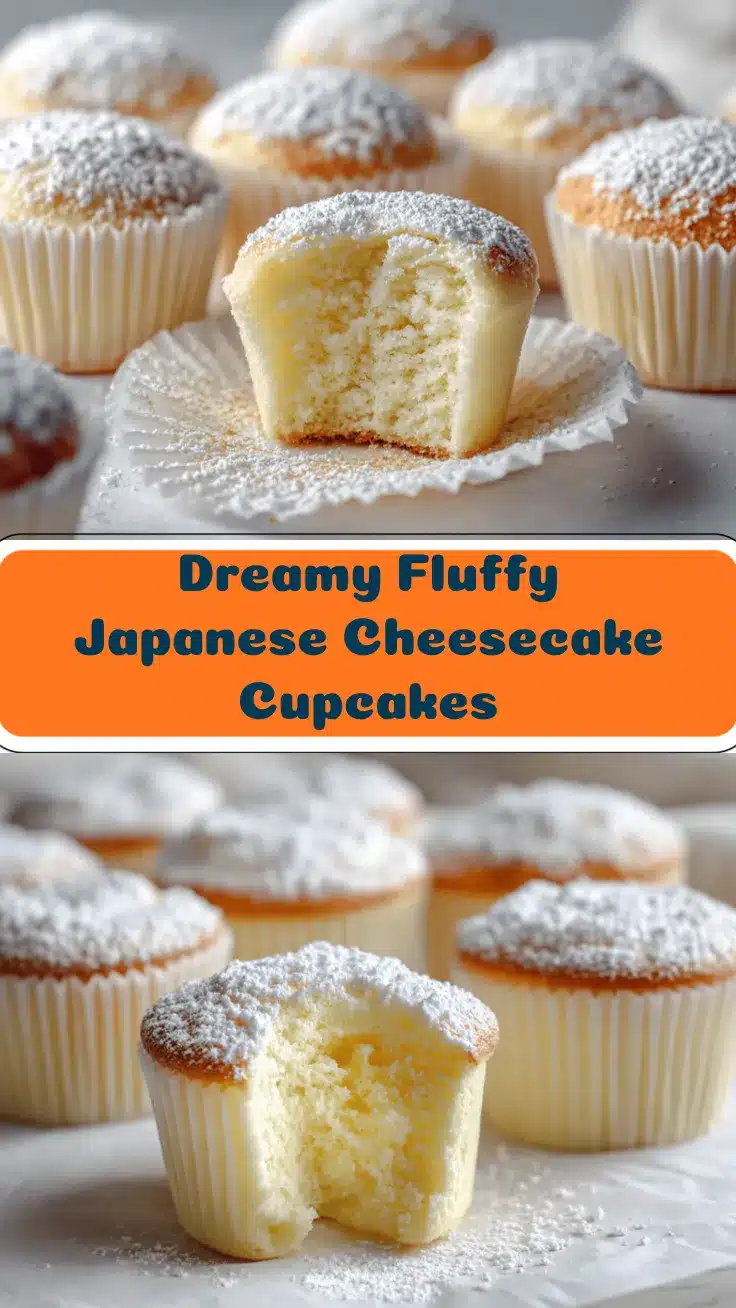
Japanese Cotton Cheesecake Cupcakes
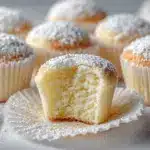
These Japanese cotton cheesecake cupcakes are light, airy, and creamy—like a cloud in cupcake form. Perfect for any occasion, they’re easy to make at home and sure to impress with their unique soufflé-cheesecake texture.
- Prep Time: 20 minutes
- Cook Time: 28 minutes
- Total Time: 48 minutes
- Yield: 12 cupcakes 1x
- Category: Dessert
- Cuisine: Japanese
Ingredients
- 8 oz (225g) full-fat cream cheese, softened
- 2 tbsp (30g) unsalted butter, softened
- 1/3 cup (80ml) whole milk, room temperature
- 3 large egg yolks, room temperature
- 1/4 cup (30g) cake flour, sifted
- 1 tbsp (10g) cornstarch
- 1 tsp (5ml) lemon juice
- 1 tsp (5ml) vanilla extract
- 3 large egg whites, room temperature
- 1/3 cup (70g) granulated sugar, divided
- 1/4 tsp cream of tartar (optional)
- Pinch of salt
- Powdered sugar, for dusting (optional)
- Fresh berries, for topping (optional)
- Whipped cream, for topping (optional)
Instructions
- Preheat oven to 300°F (150°C). Line a 12-cup muffin pan with cupcake liners. Fill any empty cups with water to prevent uneven baking.
- In a mixing bowl, beat softened cream cheese and unsalted butter until completely smooth and lump-free, about 2-3 minutes.
- Gradually mix in whole milk, egg yolks, lemon juice, and vanilla extract. Beat until the mixture is velvety and pale yellow, scraping down the sides as needed.
- Sift together cake flour, cornstarch, and a pinch of salt. Gently fold these into the wet mixture until just combined—do not overmix.
- In a separate clean bowl, beat egg whites on medium speed until foamy. Add cream of tartar (if using) and gradually sprinkle in granulated sugar. Continue beating until stiff, glossy peaks form, about 3-4 minutes.
- Add one-third of the meringue to the cream cheese batter and gently fold with a spatula to lighten it. Add the rest in two batches, folding gently each time until just mixed.
- Divide the batter evenly among the 12 liners, filling each about 3/4 full. Tap the pan gently on the counter to pop any large bubbles.
- Bake on the middle rack at 300°F (150°C) for 25-28 minutes, until the cupcakes are risen, lightly golden, and look set. Do not open the oven during the first 20 minutes.
- Turn off the oven, crack the door, and let the cupcakes sit for 5-10 minutes. Then transfer to a wire rack to cool completely.
- Once fully cooled, dust with powdered sugar or top with berries and whipped cream if desired. Enjoy the same day or store as directed.
Notes
For best results, use room temperature ingredients and gently fold the meringue into the batter to keep the cupcakes fluffy. Avoid opening the oven door during baking to prevent sinking. Cupcakes can be made gluten-free with a 1:1 gluten-free flour blend. Store in an airtight container in the fridge for up to 3 days, or freeze for up to 1 month.
Nutrition
- Serving Size: 1 cupcake
- Calories: 130
- Sugar: 7
- Sodium: 90
- Fat: 6
- Saturated Fat: 3.5
- Carbohydrates: 12
- Protein: 3
Keywords: Japanese cotton cheesecake, cheesecake cupcakes, fluffy cheesecake, Japanese dessert, soufflé cheesecake, easy cheesecake cupcakes, light cheesecake, Asian dessert, cupcake recipe, cream cheese cupcakes