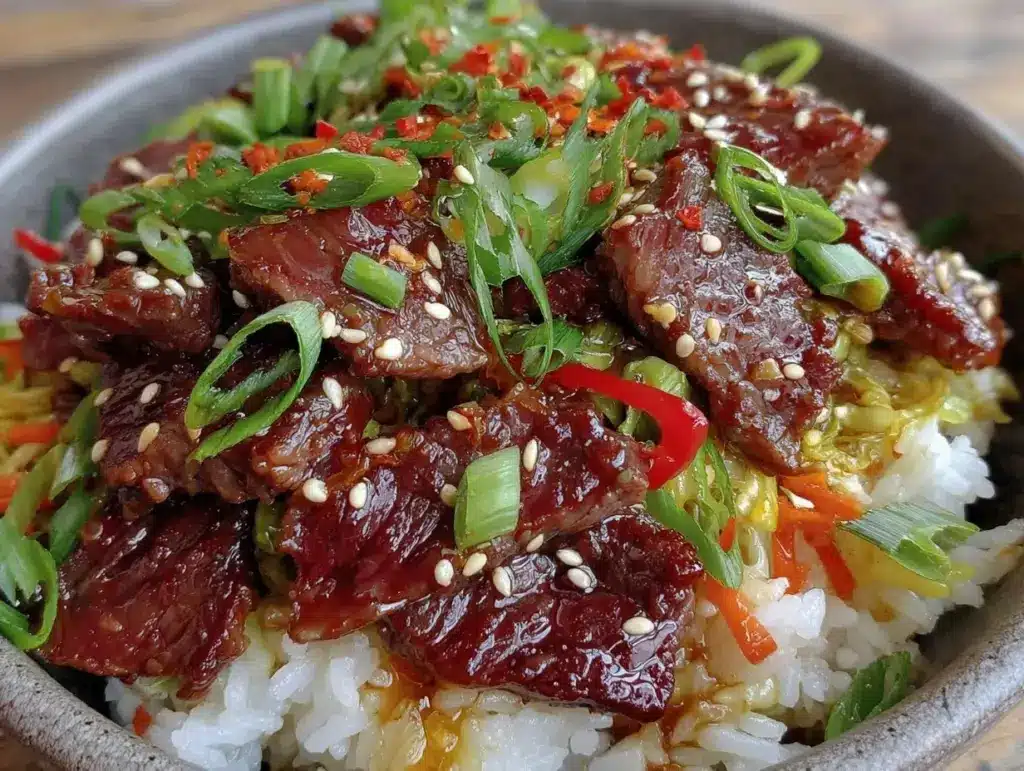
Let me tell you, the moment the sizzling Korean beef bulgogi hit my skillet, the aroma was pure magic—a sweet and savory dance of garlic, soy, and a hint of toasted sesame that instantly made my mouth water. The first time I made this Flavorful Korean Beef Bulgogi Bowl with fresh veggies, I was hooked right away. It’s the kind of dish where you pause, take a deep breath, and just smile because you know you’re onto something truly special.
Years ago, when I was knee-high to a grasshopper, my grandma used to tell stories about the vibrant street food of Seoul, and I wish I’d discovered this recipe back then. It’s one of those meals that feels like a warm hug from a friend, packed with bold flavors and fresh textures. Honestly, my family couldn’t stop sneaking bites off the serving platter (and I can’t really blame them).
You know what’s great? This Korean Beef Bulgogi Bowl is dangerously easy to put together and perfect for those busy weeknights when you crave something healthy but satisfying. Whether it’s a sweet treat for your kids after school or a bright, colorful addition to your Pinterest dinner board, this recipe checks all the boxes. After testing it multiple times (in the name of research, of course), it’s become a staple for family gatherings, quick dinners, and even gifting in food containers for friends. Trust me, you’re going to want to bookmark this one.
Why You’ll Love This Recipe
This Flavorful Korean Beef Bulgogi Bowl isn’t just another beef recipe—it stands out for so many reasons:
- Quick & Easy: Ready in under 30 minutes, making it perfect for last-minute cravings or busy weeknights.
- Simple Ingredients: No fancy trips to specialty stores needed; most ingredients are pantry staples or easy to find.
- Perfect for Any Occasion: Great for casual dinners, potlucks, or even meal prep for the week ahead.
- Crowd-Pleaser: Kids, adults, picky eaters—you name it, everyone loves the balance of sweet, savory, and fresh.
- Unbelievably Delicious: The tender, marinated beef paired with crisp veggies and fluffy rice creates a flavor and texture combo that’s downright addictive.
What sets this recipe apart is the marinade—using a blend of soy sauce, brown sugar, garlic, and a touch of pear juice (yes, pear juice!) to tenderize the beef and give it that signature bulgogi sweetness. Plus, the fresh veggies bring brightness and crunch, making every bite a little celebration.
This dish is comfort food reimagined—healthy, speedy, and packed with soul-soothing satisfaction. It impresses guests without the stress and turns a simple meal into something memorable. Honestly, it’s the kind of recipe that makes you close your eyes savoring every bite.
What Ingredients You Will Need
This recipe uses simple, wholesome ingredients to deliver bold flavor and satisfying texture without the fuss. You probably have most of these on hand, and substitutions are easy if needed.
- For the Bulgogi Marinade:
- 1 pound (450g) thinly sliced beef ribeye or sirloin (look for well-marbled cuts for best tenderness)
- 1/4 cup soy sauce (I recommend Kikkoman for a balanced flavor)
- 2 tablespoons brown sugar (adds sweetness and caramelization)
- 2 tablespoons Asian pear juice or grated Asian pear (helps tenderize and adds subtle sweetness)
- 2 cloves garlic, minced (fresh is best for punchy flavor)
- 1 teaspoon grated ginger (adds warmth and depth)
- 1 tablespoon toasted sesame oil (for that nutty aroma)
- 1/2 teaspoon black pepper
- For the Bowl:
- 2 cups cooked short-grain white rice or brown rice (warm or room temperature)
- 1 cup shredded carrots (adds crunch and color)
- 1 cup thinly sliced cucumber (fresh and cooling)
- 1 cup baby spinach or mixed greens (for vibrant freshness)
- 2 green onions, thinly sliced (for garnish and mild onion flavor)
- 1 tablespoon toasted sesame seeds (optional, but highly recommended)
- Optional Toppings:
- Kimchi (for a spicy, tangy kick)
- Fried egg (sunny side up for richness)
- Gochujang sauce (Korean chili paste, for extra heat)
For substitutions, you can swap soy sauce for tamari to keep it gluten-free. Use coconut sugar instead of brown sugar if you prefer a lower glycemic option. And if you can’t find Asian pear, a small apple or a splash of pineapple juice works in a pinch. The fresh veggies are totally flexible, too—feel free to toss in sliced bell peppers or radishes depending on what’s in season or your fridge.
Equipment Needed
- Large mixing bowl (for marinating the beef)
- Sharp knife and cutting board (for slicing beef and chopping veggies)
- Large skillet or cast-iron pan (a heavy pan helps get a nice sear on the beef)
- Measuring cups and spoons (for accurate marinade ratios)
- Rice cooker or pot (for cooking rice; rice cooker makes it foolproof)
- Spatula or tongs (to toss and flip the beef as it cooks)
If you don’t have a cast-iron pan, a non-stick skillet works fine—just keep the heat medium-high to get that essential caramelization. For budget-friendly options, consider a stainless steel pan you might already have, but watch for sticking and stir more often. Maintaining your knife sharpness really saves time and keeps slicing safe, so a quick honing before prepping is worth it.
Preparation Method
- Prepare the Beef Marinade: In a large mixing bowl, combine 1/4 cup soy sauce, 2 tablespoons brown sugar, 2 tablespoons Asian pear juice (or substitute), 2 minced garlic cloves, 1 teaspoon grated ginger, 1 tablespoon toasted sesame oil, and 1/2 teaspoon black pepper. Whisk together until sugar dissolves (about 1-2 minutes). (Tip: Letting the marinade rest for a few minutes helps meld the flavors.)
- Slice the Beef: If not pre-sliced, thinly slice 1 pound of ribeye or sirloin against the grain, about 1/8-inch thick. Toss the slices into the marinade, ensuring each piece is coated. Cover and refrigerate for at least 20 minutes, or up to 2 hours for deeper flavor. (Warning: Don’t marinate longer than 4 hours or the beef may get mushy.)
- Cook the Rice: While the beef marinates, cook 2 cups of short-grain rice according to package instructions. Fluff with a fork when done and keep warm. (Tip: Using a rice cooker takes the guesswork out of timing.)
- Prep the Veggies: Shred 1 cup carrots, thinly slice 1 cup cucumber, rinse and dry 1 cup baby spinach, and slice 2 green onions. Set aside for assembly.
- Cook the Beef: Heat a large skillet over medium-high heat. Once hot, add the marinated beef in a single layer (cook in batches if needed to avoid crowding). Sear for 2-3 minutes on each side until nicely browned and cooked through. The beef should be tender and juicy with some caramelized edges. Remove from heat.
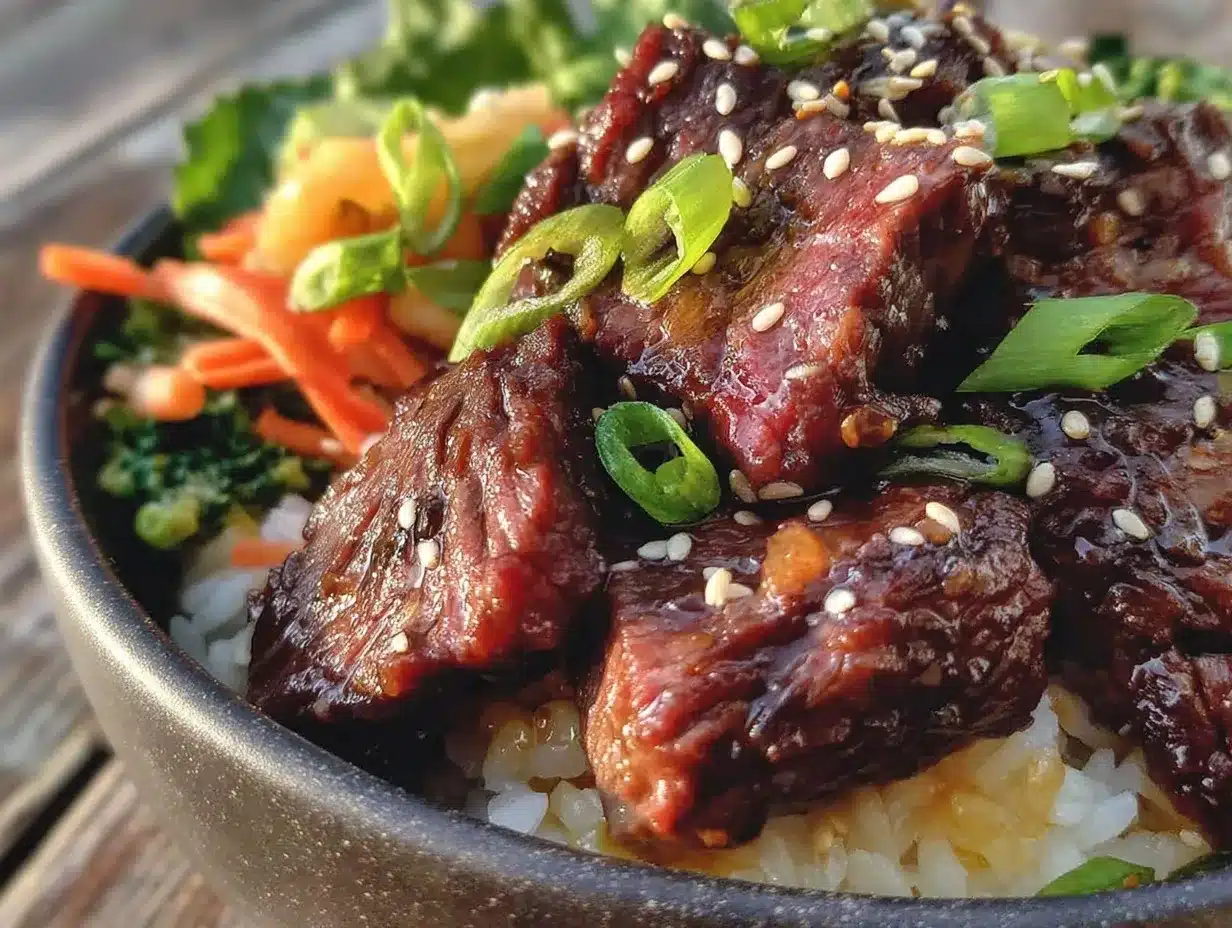
- Assemble the Bowl: Divide the warm rice among serving bowls. Top with cooked bulgogi beef, shredded carrots, sliced cucumber, spinach, and green onions. Sprinkle toasted sesame seeds over the top. Add optional kimchi, fried egg, or gochujang sauce as desired.
- Serve Immediately: Enjoy warm for the best contrast of flavors and textures. (Tip: If preparing ahead, keep beef and veggies separate until ready to serve to maintain freshness.)
Cooking Tips & Techniques
Mastering the perfect Korean Beef Bulgogi Bowl is as much about technique as ingredients. Here are some tips I learned the hard way:
- Don’t overcrowd the pan: Cooking the beef in batches ensures you get that delicious caramelization rather than steaming. You want those edges crisp and flavorful.
- Slice beef thinly and against the grain: This keeps the meat tender and easy to chew. If your beef is too thick, it’ll be tough and chewy—no fun!
- Marinate just right: Too short, and the flavor won’t soak in; too long, and the texture suffers. 20 minutes to 2 hours hits the sweet spot.
- Use toasted sesame oil sparingly: It’s potent and adds amazing aroma, but a little goes a long way.
- Balance your flavors: Taste your marinade before adding beef. Adjust sweetness or saltiness to your liking so it’s just right.
- Multitask efficiently: While beef marinates and rice cooks, prep veggies to save time. This keeps the whole meal under 30 minutes.
- Don’t skip fresh veggies: They add that essential crunch and freshness that balances the rich beef perfectly.
Honestly, the first few times I made this, I learned to watch the beef closely—minutes make a difference. Now, it’s a snap, and I always have some go-to tips in my back pocket to keep it delicious every time.
Variations & Adaptations
This Korean Beef Bulgogi Bowl is super versatile and easy to tweak depending on taste or dietary needs:
- Vegetarian Version: Swap beef for thinly sliced mushrooms or tofu marinated in the same bulgogi sauce. Mushrooms soak up flavor beautifully and provide a meaty texture.
- Low-Carb Adaptation: Use cauliflower rice instead of regular rice to keep it light and keto-friendly. Add more greens like kale or bok choy for extra nutrients.
- Spicy Twist: Mix gochujang directly into the marinade or add fresh chili flakes for a fiery kick. Perfect if you like it hot but balanced.
- Seasonal Veggies: Swap cucumber and carrots for steamed broccoli, sautéed bell peppers, or roasted sweet potatoes depending on what’s fresh or preferred.
- Gluten-Free Option: Use tamari instead of soy sauce and check all condiments for gluten to keep it safe and tasty.
One of my favorite personal twists is adding a quick pickled radish topping—just thinly sliced radishes soaked in vinegar, sugar, and salt for 15 minutes. It brings a zingy crunch that pairs amazingly well with the sweet beef.
Serving & Storage Suggestions
Serve your Korean Beef Bulgogi Bowl warm for the best experience—fluffy rice, tender beef, and crisp fresh veggies all shining together. Garnish with extra green onions and toasted sesame seeds for a pretty presentation that screams “homemade love.”
For drinks, light and refreshing options like iced green tea or a cold lager complement the dish nicely. If you’re hosting, small bowls of kimchi or pickled veggies on the side add depth and authenticity.
To store leftovers, keep beef and veggies separate from rice in airtight containers in the fridge for up to 3 days. Reheat gently in a skillet or microwave, adding a splash of water or broth to keep beef moist. Flavors actually deepen overnight, so the next-day lunch is often even better!
If freezing, store beef and rice in separate freezer-safe containers for up to 2 months. Thaw overnight in the fridge before reheating to maintain texture.
Nutritional Information & Benefits
This Flavorful Korean Beef Bulgogi Bowl packs a nutritious punch. A typical serving provides approximately 450-500 calories, with about 30 grams of protein from the beef, making it a satisfying, muscle-friendly meal.
The marinade ingredients like garlic and ginger offer anti-inflammatory benefits, while the fresh veggies provide fiber, vitamins, and antioxidants. Using lean cuts of beef and balancing with greens keeps this dish both healthy and hearty.
For those watching carbs, switching to brown rice or cauliflower rice offers lower glycemic options. This recipe is naturally gluten-free when using tamari and free of dairy, making it accessible for many dietary preferences.
From my wellness perspective, this bowl nourishes both body and soul—comfort food that doesn’t compromise on nutrition or flavor.
Conclusion
Flavorful Korean Beef Bulgogi Bowl with fresh veggies is hands-down a recipe worth trying. It’s fast, tasty, and brings a little Korean street food magic right to your kitchen table. The balance of sweet, savory, and fresh textures makes it a crowd-pleaser that you’ll want to make again and again.
Feel free to tweak the veggies, spice level, or protein to suit your taste—this recipe is a great canvas for your creativity. Personally, I love it with a fried egg on top and a side of kimchi for that extra punch.
If you give this recipe a go, I’d love to hear how you customize it! Drop a comment below, share your tips, or tell me about your favorite variations. Don’t forget to bookmark it for those busy nights when you want something easy but impressive.
Happy cooking, and may your kitchen always smell like a warm Korean feast!
FAQs
What cut of beef is best for bulgogi?
Thinly sliced ribeye or sirloin works best due to their tenderness and marbling. If you can’t find pre-sliced beef, freezing it slightly before slicing helps.
Can I make this recipe ahead of time?
Yes! Marinate the beef up to 2 hours ahead and prep veggies in advance. Cook just before serving for best texture and flavor.
Is there a vegetarian alternative for bulgogi?
Absolutely! Mushrooms or tofu marinated in the same sauce make delicious, meat-free options that soak up the flavors well.
How spicy is this bulgogi bowl?
The basic recipe is mild and sweet, but you can easily add gochujang or chili flakes for some heat depending on your preference.
What can I serve with the Korean Beef Bulgogi Bowl?
Kimchi, pickled radishes, steamed greens, or a fried egg are perfect companions. For drinks, iced tea or light beer pairs nicely.
Pin This Recipe!
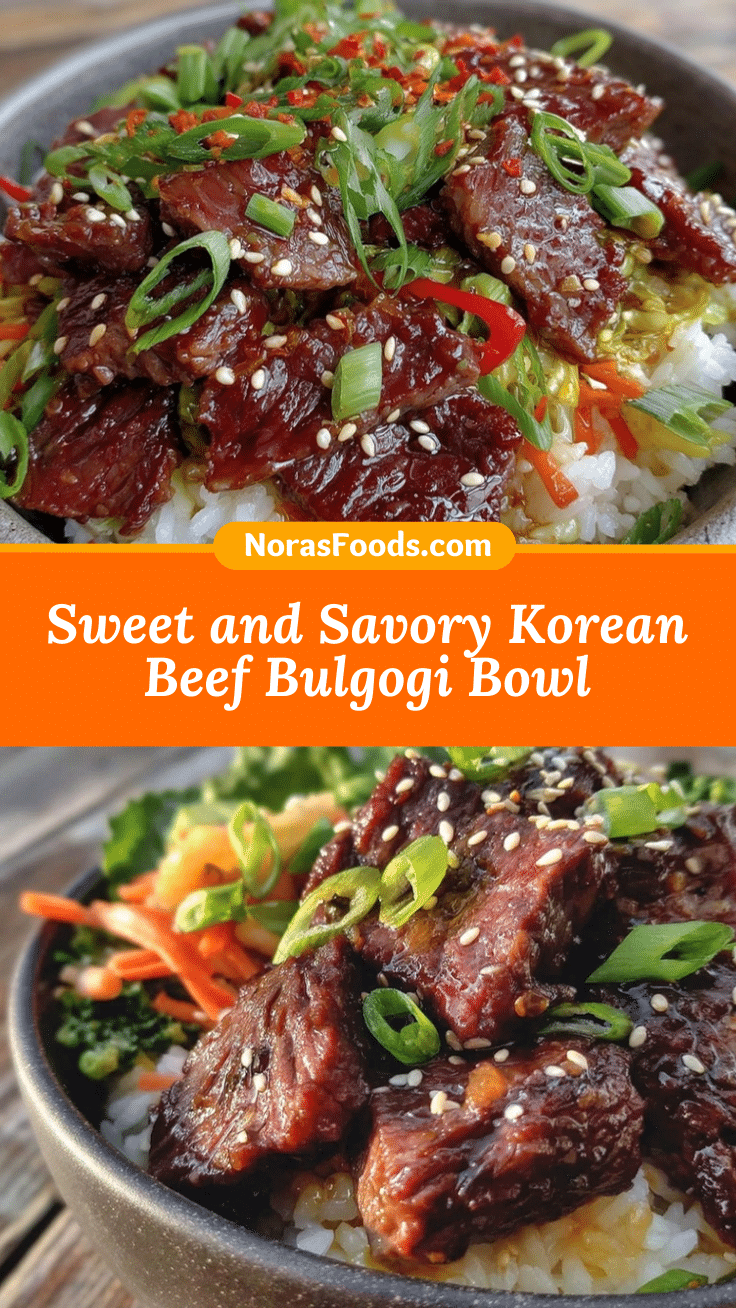
Flavorful Korean Beef Bulgogi Bowl Recipe Easy Healthy Dinner Idea

A quick and easy Korean Beef Bulgogi Bowl featuring tender marinated beef, fresh veggies, and fluffy rice, perfect for a healthy and satisfying dinner.
- Prep Time: 10 minutes
- Cook Time: 15 minutes
- Total Time: 25 minutes
- Yield: 4 servings 1x
- Category: Main Course
- Cuisine: Korean
Ingredients
- 1 pound (450g) thinly sliced beef ribeye or sirloin
- 1/4 cup soy sauce
- 2 tablespoons brown sugar
- 2 tablespoons Asian pear juice or grated Asian pear
- 2 cloves garlic, minced
- 1 teaspoon grated ginger
- 1 tablespoon toasted sesame oil
- 1/2 teaspoon black pepper
- 2 cups cooked short-grain white rice or brown rice
- 1 cup shredded carrots
- 1 cup thinly sliced cucumber
- 1 cup baby spinach or mixed greens
- 2 green onions, thinly sliced
- 1 tablespoon toasted sesame seeds (optional)
- Optional toppings: kimchi, fried egg, gochujang sauce
Instructions
- In a large mixing bowl, combine 1/4 cup soy sauce, 2 tablespoons brown sugar, 2 tablespoons Asian pear juice (or substitute), 2 minced garlic cloves, 1 teaspoon grated ginger, 1 tablespoon toasted sesame oil, and 1/2 teaspoon black pepper. Whisk together until sugar dissolves (about 1-2 minutes).
- If not pre-sliced, thinly slice 1 pound of ribeye or sirloin against the grain, about 1/8-inch thick. Toss the slices into the marinade, ensuring each piece is coated. Cover and refrigerate for at least 20 minutes, or up to 2 hours for deeper flavor.
- While the beef marinates, cook 2 cups of short-grain rice according to package instructions. Fluff with a fork when done and keep warm.
- Shred 1 cup carrots, thinly slice 1 cup cucumber, rinse and dry 1 cup baby spinach, and slice 2 green onions. Set aside for assembly.
- Heat a large skillet over medium-high heat. Once hot, add the marinated beef in a single layer (cook in batches if needed to avoid crowding). Sear for 2-3 minutes on each side until nicely browned and cooked through. Remove from heat.
- Divide the warm rice among serving bowls. Top with cooked bulgogi beef, shredded carrots, sliced cucumber, spinach, and green onions. Sprinkle toasted sesame seeds over the top. Add optional kimchi, fried egg, or gochujang sauce as desired.
- Serve immediately for the best contrast of flavors and textures.
Notes
Do not marinate beef longer than 4 hours to avoid mushy texture. Cook beef in batches to avoid overcrowding the pan and ensure caramelization. Slice beef thinly against the grain for tenderness. Use toasted sesame oil sparingly as it is potent. Fresh veggies add essential crunch and balance the rich beef. For gluten-free, substitute soy sauce with tamari. For low-carb, use cauliflower rice instead of regular rice.
Nutrition
- Serving Size: 1 bowl (approximatel
- Calories: 475
- Sugar: 10
- Sodium: 900
- Fat: 18
- Saturated Fat: 4
- Carbohydrates: 45
- Fiber: 4
- Protein: 30
Keywords: Korean beef bulgogi, bulgogi bowl, Korean recipe, easy dinner, healthy dinner, beef recipe, Korean cuisine, quick meal