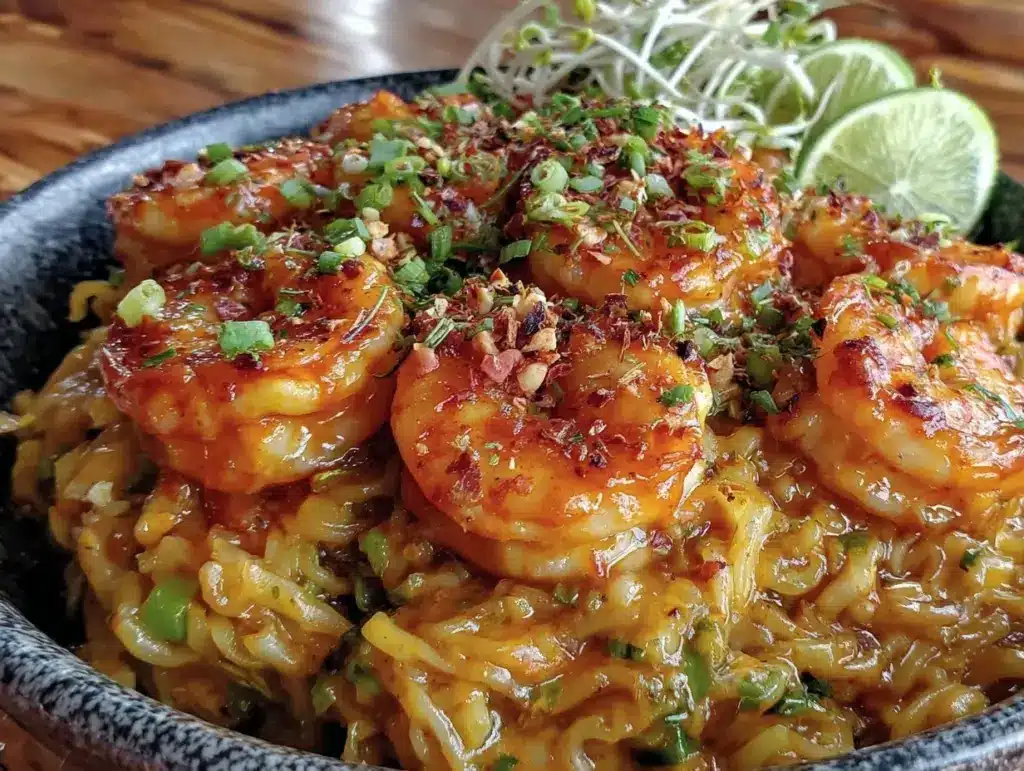
Let me tell you, the moment the sizzling shrimp hit the hot pan and the tangy aroma of tamarind sauce started filling my kitchen, I knew I was in for something special. The vibrant colors of the fresh veggies tossed with slippery rice noodles, all coated in that sweet and sour sauce—it’s the kind of dish that makes your mouth water before the first bite. Honestly, the first time I made this Easy Tangy Shrimp Pad Thai Recipe, I was instantly hooked. It was one of those rare cooking moments where you pause, take a deep breath, and just smile because you know you’re onto something truly special.
Years ago, when I was knee-high to a grasshopper, my grandma used to make her own version of Pad Thai, but I never quite nailed it—until recently. I stumbled upon this recipe on a rainy weekend, trying to recreate that nostalgic taste with a fresh, tangy twist that felt homemade but still restaurant-worthy. My family couldn’t stop sneaking shrimp off the pan while I was cooking (and I can’t really blame them). This recipe has become a staple for our family dinners, potlucks, and even for impressing last-minute guests. You know what? It’s dangerously easy and packs pure, nostalgic comfort in every bite.
Whether you want to brighten up your weeknight dinner or add a zingy, satisfying dish to your Pinterest recipe board, this Easy Tangy Shrimp Pad Thai Recipe is going to be your new go-to. After testing it more times than I care to admit (in the name of research, of course), I can say it’s a winner every single time.
Why You’ll Love This Recipe
This Easy Tangy Shrimp Pad Thai Recipe isn’t just another takeout copycat—it’s packed with personality and flavor that’ll make you want to whip it up again and again. Here’s why it’s worth your time:
- Quick & Easy: Comes together in under 30 minutes, perfect for busy weeknights or those unexpected dinner cravings.
- Simple Ingredients: No complicated trips to specialty markets—you probably have most of these pantry staples already.
- Perfect for Dinner Parties: Impress your guests with a fresh, tangy, and satisfying dish that looks as good as it tastes.
- Crowd-Pleaser: Kids and adults alike rave about the balance of sweet, sour, and savory flavors.
- Unbelievably Delicious: The juicy shrimp paired with the tangy sauce and crunchy peanuts create a texture and flavor combo that’s pure comfort food.
What sets this recipe apart? It’s all about the perfectly balanced tamarind-based sauce that’s both tangy and slightly sweet, paired with fresh lime juice and a hint of chili for that authentic kick. Plus, the shrimp cooks up juicy and tender without fuss. I love that it’s a quick fix but feels like a special occasion meal—comfort food that doesn’t take forever or require a culinary degree. It’s the kind of recipe that makes you close your eyes after the first bite and sigh with satisfaction. Perfect for impressing guests without the stress or just treating yourself to something memorable.
What Ingredients You Will Need
This Easy Tangy Shrimp Pad Thai Recipe uses simple, wholesome ingredients to deliver bold flavor and satisfying texture without the fuss. Most are pantry staples or easy to find at your local grocery store.
- Rice Noodles: 8 oz (225 g) flat rice noodles (I recommend Thai Kitchen brand for reliable texture)
- Shrimp: 1 lb (450 g), peeled and deveined (fresh or frozen; thawed completely)
- Vegetable Oil: 2 tablespoons (for stir-frying; can swap with peanut oil)
- Garlic: 3 cloves, minced (adds aromatic depth)
- Eggs: 2 large, lightly beaten
- Bean Sprouts: 1 cup (fresh and crisp)
- Green Onions: 3 stalks, sliced thin (for freshness)
- Roasted Peanuts: ½ cup, chopped (adds crunch and nuttiness)
- Tamarind Paste: 3 tablespoons (the star of the tangy sauce; look for Mae Ploy brand)
- Fish Sauce: 3 tablespoons (for umami depth; use gluten-free if needed)
- Brown Sugar: 2 tablespoons (balances the tang)
- Fresh Lime Juice: From 1 lime (brightens the dish)
- Red Chili Flakes: ½ teaspoon (optional, for a mild kick)
- Cilantro: Small bunch, chopped (for garnish)
If you want to switch things up, you can swap shrimp with chicken or tofu for a vegetarian twist. If tamarind paste is tricky to find, a mix of lime juice and a splash of vinegar can work in a pinch, though it won’t have the exact same tangy depth.
Equipment Needed
- Large Wok or Non-stick Skillet: Essential for stir-frying. I prefer a wok for even heat distribution, but a large skillet works fine.
- Mixing Bowls: For prepping sauce and whisking eggs.
- Measuring Spoons and Cups: Accuracy helps balance flavors perfectly.
- Wooden Spoon or Spatula: For stirring without scratching your pan.
- Colander or Strainer: To soak and drain rice noodles.
- Knife and Cutting Board: For prepping veggies and shrimp.
If you don’t have a wok, a large heavy-bottom skillet is a great budget-friendly alternative. Keep your pan well-seasoned and clean to prevent sticking. Also, a quick tip: using a sharp knife makes prepping shrimp and veggies a breeze.
Preparation Method
- Soak the Rice Noodles: Place 8 oz (225 g) rice noodles in a large bowl and cover with warm water. Let them soak for 20–25 minutes until tender but still slightly firm (al dente). Drain and set aside. (Note: Do not over-soak or noodles get mushy.)
- Prepare the Sauce: In a small bowl, whisk together 3 tablespoons tamarind paste, 3 tablespoons fish sauce, 2 tablespoons brown sugar, fresh lime juice from 1 lime, and ½ teaspoon red chili flakes (optional). Set aside. This sauce balances sweet, salty, and tangy beautifully.
- Cook the Shrimp: Heat 2 tablespoons vegetable oil in a large wok or skillet over medium-high heat. Add the shrimp (1 lb / 450 g) and cook 2 minutes per side until pink and opaque. Remove shrimp and set aside. Don’t overcrowd the pan—cook in batches if needed.
- Scramble the Eggs and Stir-Fry: In the same pan, add minced garlic (3 cloves) and sauté for 30 seconds until fragrant. Pour in beaten eggs (2 large) and scramble quickly until just set. Add the drained noodles and pour the tamarind sauce over the top. Toss everything together vigorously for 2–3 minutes, ensuring noodles are evenly coated and heated through.
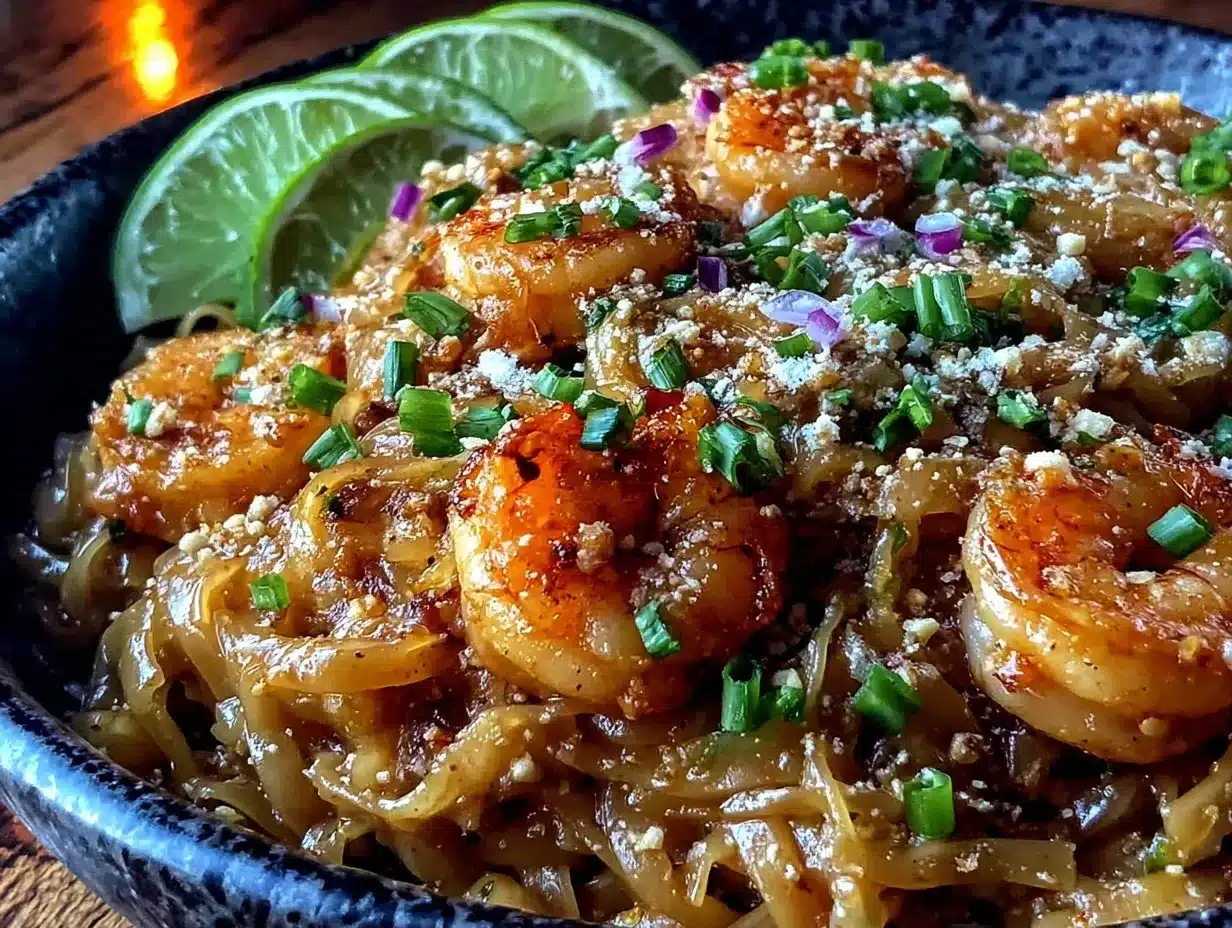
- Finish with Veggies and Shrimp: Toss in bean sprouts (1 cup), sliced green onions (3 stalks), and cooked shrimp. Stir-fry for another minute to combine and warm through. Remove from heat and sprinkle with chopped roasted peanuts (½ cup) and fresh cilantro as garnish.
Pro tip: Keep your heat high and toss quickly to prevent soggy noodles. The noodles should look glossy and slightly sticky but not clumped. If your noodles are sticking, splash a teaspoon of water and toss again.
Cooking Tips & Techniques
One thing I’ve learned from countless attempts is that timing is everything with Easy Tangy Shrimp Pad Thai. Overcooked shrimp become rubbery, and soggy noodles kill the experience. Keep your prep done before you start stir-frying—this dish moves fast!
Use medium-high heat and a roomy pan to give everything space to cook without steaming. Tossing the noodles often helps achieve that perfect, slightly toasted texture. Don’t be shy with the tamarind paste—it’s the soul of the dish. If you find it too tangy, a pinch more brown sugar will balance it nicely.
Also, resist the urge to skip the peanuts; their crunch contrasts beautifully with the soft noodles and tender shrimp. Lastly, fresh lime juice squeezed at the end is a total game-changer, adding that bright pop you didn’t know you needed.
Variations & Adaptations
- Vegetarian Version: Replace shrimp with firm tofu cubes, pan-fried until golden. Use soy sauce instead of fish sauce for a vegan-friendly option.
- Spicy Kick: Add more red chili flakes or a dash of Sriracha sauce to the tamarind mixture for heat lovers.
- Seasonal Veggies: Toss in julienned carrots, bell peppers, or snap peas for extra crunch and color depending on what’s fresh.
- Low-Carb Adaptation: Use spiralized zucchini noodles instead of rice noodles to lighten the carb load.
I once tried swapping shrimp for leftover rotisserie chicken during a busy weeknight, and it still nailed the flavor profile beautifully. Feel free to experiment with your favorite proteins and veggies—it’s a forgiving recipe that welcomes creativity.
Serving & Storage Suggestions
This Easy Tangy Shrimp Pad Thai is best served fresh and hot, garnished with extra chopped peanuts and a lime wedge on the side. Pair it with a crisp cucumber salad or a light Asian-style slaw to balance the tangy flavors.
Store leftovers in an airtight container in the fridge for up to 2 days. When reheating, sprinkle a little water over the noodles and warm gently in a skillet to avoid drying out. The flavors actually meld nicely after sitting, so it’s great for next-day lunches.
Pro tip: If you want to freeze, do it without the bean sprouts and peanuts. Defrost overnight in the fridge and add fresh toppings when serving.
Nutritional Information & Benefits
This recipe is a balanced meal, offering lean protein from shrimp, carbohydrates from rice noodles, and healthy fats from peanuts. Shrimp is a great source of omega-3 fatty acids and is low in calories. Tamarind adds antioxidants and vitamin C, while fresh veggies provide fiber and vitamins.
It’s naturally gluten-free (just double-check your fish sauce), and you can make it dairy-free easily. The dish offers a satisfying option that doesn’t weigh you down but still fills you up with wholesome, fresh ingredients.
Conclusion
In a nutshell, this Easy Tangy Shrimp Pad Thai Recipe is a fantastic way to bring a burst of authentic flavor to your dinner table without the fuss. It’s quick, flavorful, and flexible—perfect for anyone who loves bold, tangy dishes with a homemade touch. I love how it’s become a family favorite that’s both comforting and exciting at the same time.
Give it a try, tweak it to your taste, and don’t forget to share your adaptations! I’d love to hear how you make it your own. Trust me, once you’ve had this recipe, it’s going to feel like a warm hug on a plate every time.
FAQs
Can I use frozen shrimp for this recipe?
Yes! Just make sure to fully thaw and pat them dry before cooking to avoid excess water in the pan.
What can I substitute for tamarind paste if I can’t find it?
A mix of lime juice and a small splash of vinegar can mimic the tanginess, but the flavor won’t be as authentic.
Is this recipe gluten-free?
It is naturally gluten-free if you use gluten-free fish sauce and rice noodles (which are typically gluten-free).
Can I make this recipe vegetarian?
Absolutely! Swap shrimp for tofu and use soy sauce instead of fish sauce to keep it vegan-friendly.
How do I prevent the noodles from sticking together?
Soak them properly until just tender and toss with a little oil after draining. Also, stir-fry over high heat and toss frequently to keep them separate.
Pin This Recipe!
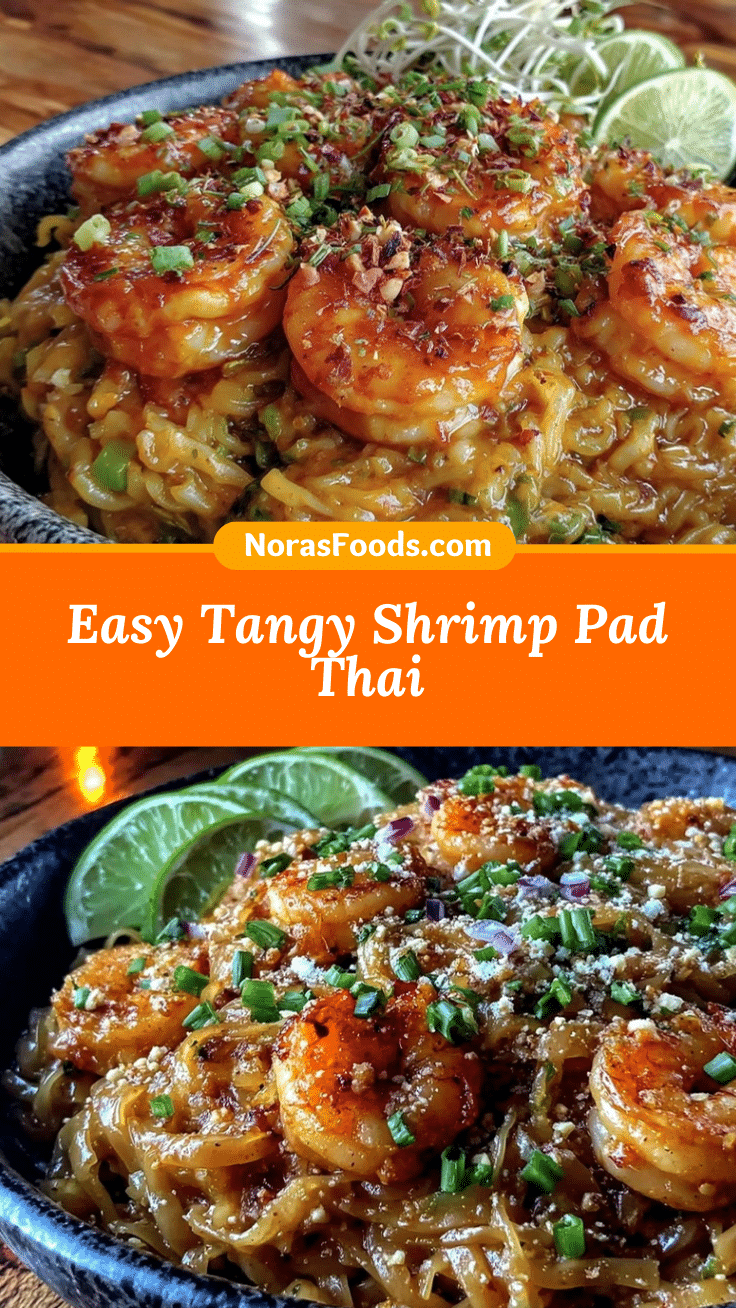
Easy Tangy Shrimp Pad Thai Recipe

A quick and flavorful homemade Pad Thai featuring juicy shrimp, tangy tamarind sauce, and fresh veggies tossed with rice noodles. Perfect for busy weeknights or impressing guests.
- Prep Time: 10 minutes
- Cook Time: 15 minutes
- Total Time: 25 minutes
- Yield: 4 servings 1x
- Category: Main Course
- Cuisine: Thai
Ingredients
- 8 oz (225 g) flat rice noodles
- 1 lb (450 g) shrimp, peeled and deveined (fresh or frozen, thawed completely)
- 2 tablespoons vegetable oil (can swap with peanut oil)
- 3 cloves garlic, minced
- 2 large eggs, lightly beaten
- 1 cup bean sprouts, fresh and crisp
- 3 stalks green onions, sliced thin
- ½ cup roasted peanuts, chopped
- 3 tablespoons tamarind paste
- 3 tablespoons fish sauce (use gluten-free if needed)
- 2 tablespoons brown sugar
- Juice of 1 lime
- ½ teaspoon red chili flakes (optional)
- Small bunch cilantro, chopped (for garnish)
Instructions
- Soak the rice noodles in warm water for 20–25 minutes until tender but still slightly firm (al dente). Drain and set aside. Do not over-soak to avoid mushy noodles.
- In a small bowl, whisk together tamarind paste, fish sauce, brown sugar, fresh lime juice, and red chili flakes (optional). Set aside.
- Heat vegetable oil in a large wok or skillet over medium-high heat. Add shrimp and cook 2 minutes per side until pink and opaque. Remove shrimp and set aside. Cook in batches if needed to avoid overcrowding.
- In the same pan, sauté minced garlic for 30 seconds until fragrant. Pour in beaten eggs and scramble quickly until just set. Add drained noodles and pour tamarind sauce over the top. Toss vigorously for 2–3 minutes to coat noodles evenly and heat through.
- Add bean sprouts, sliced green onions, and cooked shrimp. Stir-fry for another minute to combine and warm through. Remove from heat and sprinkle with chopped roasted peanuts and fresh cilantro as garnish.
Notes
Keep heat high and toss quickly to prevent soggy noodles. If noodles stick, splash a teaspoon of water and toss again. Do not overcook shrimp to avoid rubbery texture. Fresh lime juice added at the end brightens the dish. Peanuts add essential crunch and texture contrast.
Nutrition
- Serving Size: 1 serving (approxima
- Calories: 420
- Sugar: 8
- Sodium: 900
- Fat: 18
- Saturated Fat: 3
- Carbohydrates: 38
- Fiber: 3
- Protein: 28
Keywords: Pad Thai, shrimp recipe, tamarind sauce, easy dinner, Thai food, stir-fry, quick meal, gluten-free