“You sure you don’t want to just broil it like usual?” my friend asked skeptically, eyeing the lobster tails sitting on the counter. Honestly, I was a bit hesitant too — butter poaching lobster tail felt like one of those chef-only tricks, the kind you hear about but never try at home. But after a long, hectic afternoon wrestling with dinner plans (and well, a pretty stressful day), I figured why not take a shot? The promise of tender lobster meat bathing gently in warm butter sounded like the perfect antidote to my frazzled nerves.
That first attempt was almost an accident — I misread the temperature on the stove and ended up slowly cooking the tails in butter rather than searing them. The result? Lobster so buttery-soft and juicy I caught myself closing my eyes to savor every bite. The garlic herb sauce I tossed together on a whim added a punch of freshness that made this simple dish feel effortlessly special. Since then, I’ve found myself making this perfect butter poached lobster tail with garlic herb sauce multiple times a week — it’s become my go-to when I want to impress without the fuss, or just treat myself to something truly indulgent.
It’s funny how a little kitchen mishap turned into one of my favorite recipes. There’s something quietly satisfying about how this dish comes together — no stress, no guesswork, just pure comfort wrapped in buttery sweetness and fragrant herbs. If you’re looking for a way to bring a restaurant-worthy touch to your table with minimal effort, this recipe might just be your new secret weapon.
Why You’ll Love This Recipe
Having tested this butter poached lobster tail recipe through various tweaks, I can confidently say it’s not your average seafood dish. Here’s why this recipe stands out:
- Quick & Easy: The lobster tails cook gently in about 10 minutes, making it perfect for busy weeknights or spontaneous dinner plans.
- Simple Ingredients: You don’t need anything fancy — just quality butter, fresh garlic, herbs, and lobster tails. Most of these are pantry staples or easily found at any seafood market.
- Perfect for Special Occasions: Whether it’s a romantic dinner or a celebratory weekend meal, this recipe feels luxurious without complicated steps.
- Crowd-Pleaser: I’ve served this to seafood skeptics and lobster lovers alike, and it always gets rave reviews for its tender texture and rich flavor.
- Unbelievably Delicious: The butter poaching method locks in moisture like nothing else, while the garlic herb sauce adds a zesty freshness that balances the richness.
This isn’t just another lobster recipe — the gentle cooking technique creates a texture that’s almost melt-in-your-mouth, something you don’t get from boiling or broiling. Plus, the garlic herb sauce is a quick, vibrant twist that complements but doesn’t overpower the lobster’s natural sweetness. Honestly, I think it’s the kind of dish that makes you pause mid-bite, just to appreciate how something so simple can taste so good.
For a full meal, I often pair it with sides like roasted vegetables or a light pasta. If you enjoy dishes that combine rich flavors with fresh herbs, you might also appreciate the balance in my easy one-pan Greek chicken with vegetables recipe — it’s another favorite when I want a fuss-free, flavorful dinner.
What Ingredients You Will Need
This recipe keeps things straightforward, focusing on quality over quantity. Each ingredient plays a key role in building the rich, buttery flavor and the bright herbal notes.
- Lobster tails (4 medium-sized, about 6 oz/170 g each): Fresh or thawed frozen lobster tails work best. Look for firm shells and moist, firm meat.
- Unsalted butter (1 cup / 225 g): Use high-quality butter like Kerrygold for the best richness and smooth texture.
- Garlic (3 cloves, minced): Fresh garlic adds pungent depth — avoid pre-minced for maximum flavor.
- Fresh herbs (2 tablespoons each of parsley and thyme, finely chopped): Parsley brings brightness, while thyme adds a subtle earthiness. If you can find fresh tarragon, that’s a great addition too.
- Fresh lemon juice (1 tablespoon): Adds a touch of acidity to balance the butter’s richness.
- Salt (to taste): I prefer flaky sea salt for a clean finish.
- Black pepper (freshly ground, to taste): Adds subtle heat and complexity.
Optional:
- Red pepper flakes (a pinch): For a gentle kick if you like a little spice.
- White wine (2 tablespoons): Sometimes I splash a bit into the butter for extra depth, but it’s not necessary.
Most of these ingredients are staples in my kitchen, and I always keep fresh herbs growing on the windowsill for moments like this. If fresh herbs aren’t available, dried can work in a pinch but reduce the quantity to about a third to avoid overpowering the sauce. For a dairy-free option, swap the butter with a rich coconut oil or vegan butter alternative, though the flavor will shift slightly.
Equipment Needed
- Large skillet or sauté pan: A heavy-bottomed pan (like stainless steel or cast iron) helps maintain steady, gentle heat for poaching. Non-stick pans can work, but watch the heat carefully.
- Tongs: Essential for turning lobster tails gently without tearing the delicate meat.
- Small mixing bowl: To whisk together the garlic herb sauce ingredients before adding to the butter.
- Basting spoon or ladle: Perfect for spooning the melted butter over the lobster as it poaches.
- Sharp kitchen shears or chef’s knife: For cutting the lobster shell along the top to expose the meat.
- Meat thermometer (optional): Useful if you want to check the lobster’s internal temperature for perfect doneness (around 140°F / 60°C).
If you don’t have a skillet, a small saucepan can work, but I prefer a wider pan to spread out the tails and allow even cooking. I’ve tried butter poaching in both stainless steel and cast iron — stainless heats more evenly at lower temps, which is ideal here. Also, keep your tools handy — multitasking in the kitchen is easier when everything’s within reach.
Preparation Method
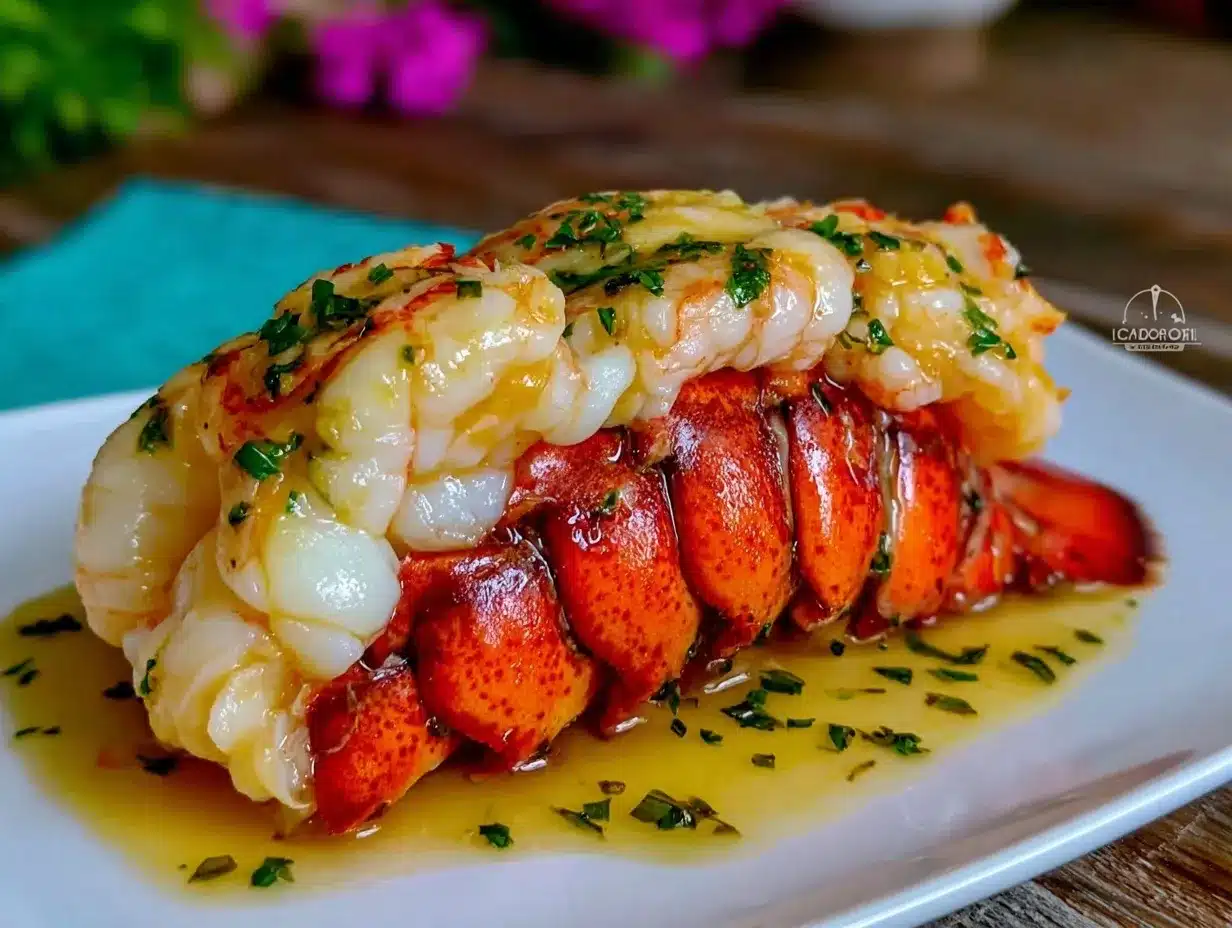
- Prepare the lobster tails: Use kitchen shears to cut down the top of the shell lengthwise, stopping just before the tail fin. Gently pull the shell apart and lift the meat, resting it on top of the shell. This “butterfly” method helps the lobster cook evenly and absorb the butter flavor. (About 5 minutes)
- Melt the butter: In your skillet, melt 1 cup (225 g) unsalted butter over low heat. You want the butter warm but not bubbling aggressively — roughly 120°F to 130°F (49°C to 54°C). If it starts to brown, reduce the heat immediately. (3-5 minutes)
- Add garlic and herbs: Stir in the minced garlic and fresh herbs (parsley and thyme) into the melted butter. Let them infuse gently for about 2 minutes, watching that the garlic doesn’t brown or become bitter.
- Poach the lobster tails: Place the prepared lobster tails meat-side down into the warm butter. The butter should partially cover the meat. Poach gently, spooning butter over the tails every 2 minutes to keep them moist. Cook for about 8-10 minutes total, until the lobster meat turns opaque and is firm yet tender. You can check doneness by inserting a meat thermometer — aim for 140°F (60°C). (10 minutes)
- Finish with lemon juice and seasoning: Remove the tails from heat, squeeze fresh lemon juice over the lobster, and season with flaky sea salt and freshly ground black pepper. Spoon some of the garlic herb butter over the top before serving.
Tips: Keep the heat low and steady — butter poaching is all about gentle cooking. If the butter starts to foam or brown, your heat’s too high. Also, don’t rush turning the lobster; delicate meat can tear easily. If you want extra flavor, a splash of white wine added to the butter before poaching adds subtle complexity. When done right, your lobster meat will be juicy, tender, and infused with fragrant butter.
Cooking Tips & Techniques
Butter poaching lobster tail isn’t a common everyday technique, but once you get the hang of it, it’s surprisingly easy and rewarding. Here are some tips I’ve picked up:
- Temperature control is key: Keep your butter warm but don’t let it bubble or brown. Low and slow is the name of the game to avoid rubbery lobster.
- Use fresh lobster tails: Frozen works fine, but fresh tails deliver the best texture. If using frozen, thaw slowly in the fridge overnight to keep the meat firm.
- Don’t overcook: Lobster turns tough quickly if exposed to high heat or cooked too long. Check for opaque white color with a slight translucence near the center.
- Infuse flavor early: Add garlic and herbs to the butter before poaching so those aromas seep into the lobster.
- Be gentle when handling: The lobster meat is tender after poaching — use tongs carefully to avoid shredding.
- Multitask efficiently: While lobster poaches, you can whip up a quick side, like a fresh green salad or steamed asparagus.
One time, I accidentally cranked the heat too high, and the butter started foaming — the lobster ended up dry and tough. That taught me to watch the butter closely and trust the gentle poaching technique. Also, spooning warm butter over the tails during cooking keeps the meat moist and flavorful; don’t skip this step!
Variations & Adaptations
This recipe is versatile, and you can easily tweak it to suit your taste or dietary needs:
- Swap herbs: Try basil or dill instead of parsley and thyme for a different herbaceous note. Tarragon is lovely if you have it on hand.
- Spice it up: Add a pinch of smoked paprika or cayenne to the garlic herb butter for smoky heat.
- Dairy-free option: Use ghee or vegan butter substitutes to keep it rich without dairy. Coconut oil works, but it will add a subtle tropical flavor.
- Alternative cooking methods: You can adapt this technique for shrimp or scallops, adjusting cooking time accordingly. For a grilled twist, finish the butter-poached tails briefly on a hot grill for charred marks and smoky flavor.
- Personal twist: I once added a splash of white wine and a hint of lemon zest to the butter for a brighter, more complex sauce. It was a hit at a dinner party!
Serving & Storage Suggestions
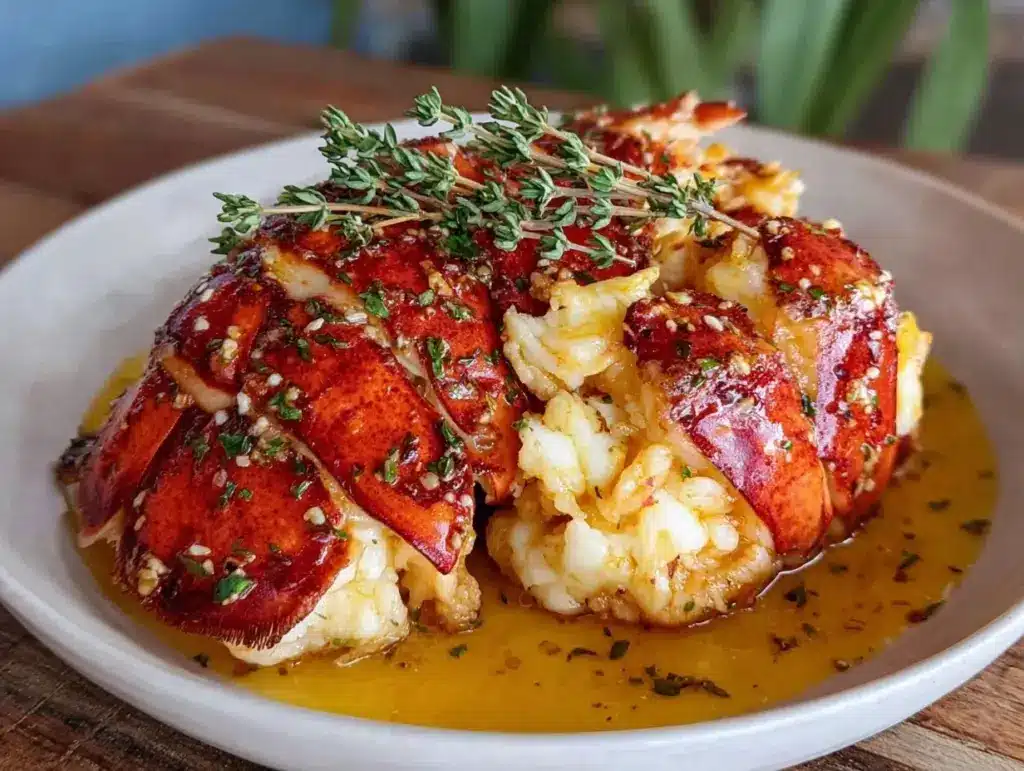
Serve your butter poached lobster tails immediately for the best texture and flavor. I like to plate them with a drizzle of the warm garlic herb butter sauce and a sprinkle of fresh herbs for a pretty presentation. A squeeze of extra lemon brightens things up right before eating.
For sides, steamed or roasted asparagus, buttery mashed potatoes, or a light herbed risotto pair beautifully. If you want a cozy surf-and-turf, the garlic butter steak and potatoes foil packet complements this lobster nicely.
Leftovers keep well in an airtight container in the fridge for up to 2 days. Reheat gently in a low oven (around 275°F / 135°C) covered with foil to avoid drying out, or briefly warm in butter on the stove over low heat. Avoid microwaving, which can toughen the lobster.
Flavors actually develop nicely overnight, making this a great make-ahead option if you’re prepping for a special meal. Just reheat carefully and serve with fresh lemon wedges.
Nutritional Information & Benefits
Each butter poached lobster tail serving provides approximately:
| Calories | 350-400 kcal |
|---|---|
| Protein | 25-30 g |
| Fat | 28-32 g (mostly from butter) |
| Carbohydrates | 0-2 g |
Lobster is a lean source of high-quality protein, packed with essential vitamins and minerals like vitamin B12, zinc, and selenium. The butter adds richness and fat, making this recipe more of an indulgence but also a source of fat-soluble vitamins.
For those watching carbs or gluten, this recipe fits perfectly as it contains no added sugars or gluten ingredients. Keep in mind the butter content if you’re monitoring saturated fat intake.
Personally, I see this dish as a nourishing treat that balances protein and fats in a way that feels satisfying and wholesome without complicated modifications. Pairing it with green vegetables adds fiber and freshness to round out the meal.
Conclusion
Perfect butter poached lobster tail with garlic herb sauce is one of those recipes that proves simple can be stunning. The gentle cooking method brings out the lobster’s natural sweetness while the buttery, garlicky sauce adds layers of flavor without overwhelming the dish. It’s approachable enough for a weeknight yet special enough for celebrations.
Feel free to customize the herbs and seasoning to match your preferences — that’s part of the joy of cooking at home. I love how this recipe has become my comfort and celebration dish rolled into one, a reminder that sometimes the best meals come from happy accidents and a bit of kitchen curiosity.
If you try it, I’d love to hear how you made it your own — leave a comment or share your twists! And for more easy yet impressive dishes, the crispy Asian sesame chicken lettuce wraps offer another tasty way to bring bold flavors to your table.
Happy cooking!
FAQs
How do I know when lobster tail is done?
Look for opaque white meat that is firm but still tender. Using a meat thermometer, aim for an internal temperature of about 140°F (60°C). Avoid overcooking to prevent toughness.
Can I freeze cooked butter poached lobster tails?
It’s best to enjoy lobster fresh, but you can freeze cooked tails wrapped tightly in plastic wrap and foil for up to 2 months. Thaw gently in the fridge before reheating.
What can I use instead of fresh herbs if I don’t have them?
Dried herbs can substitute but use about one-third the amount to avoid overpowering the sauce. Parsley, thyme, or tarragon work well dried but fresh is preferred.
Is butter poaching healthier than boiling or steaming lobster?
Butter poaching adds richness and fat, so it’s more indulgent than boiling or steaming, which are lower-fat cooking methods. Nutritionally, all methods preserve protein and minerals well.
Can I prepare the garlic herb sauce ahead of time?
Yes, you can mix the garlic and herbs into softened butter and store it in the fridge. Warm gently before poaching the lobster tails for convenience.
Pin This Recipe!
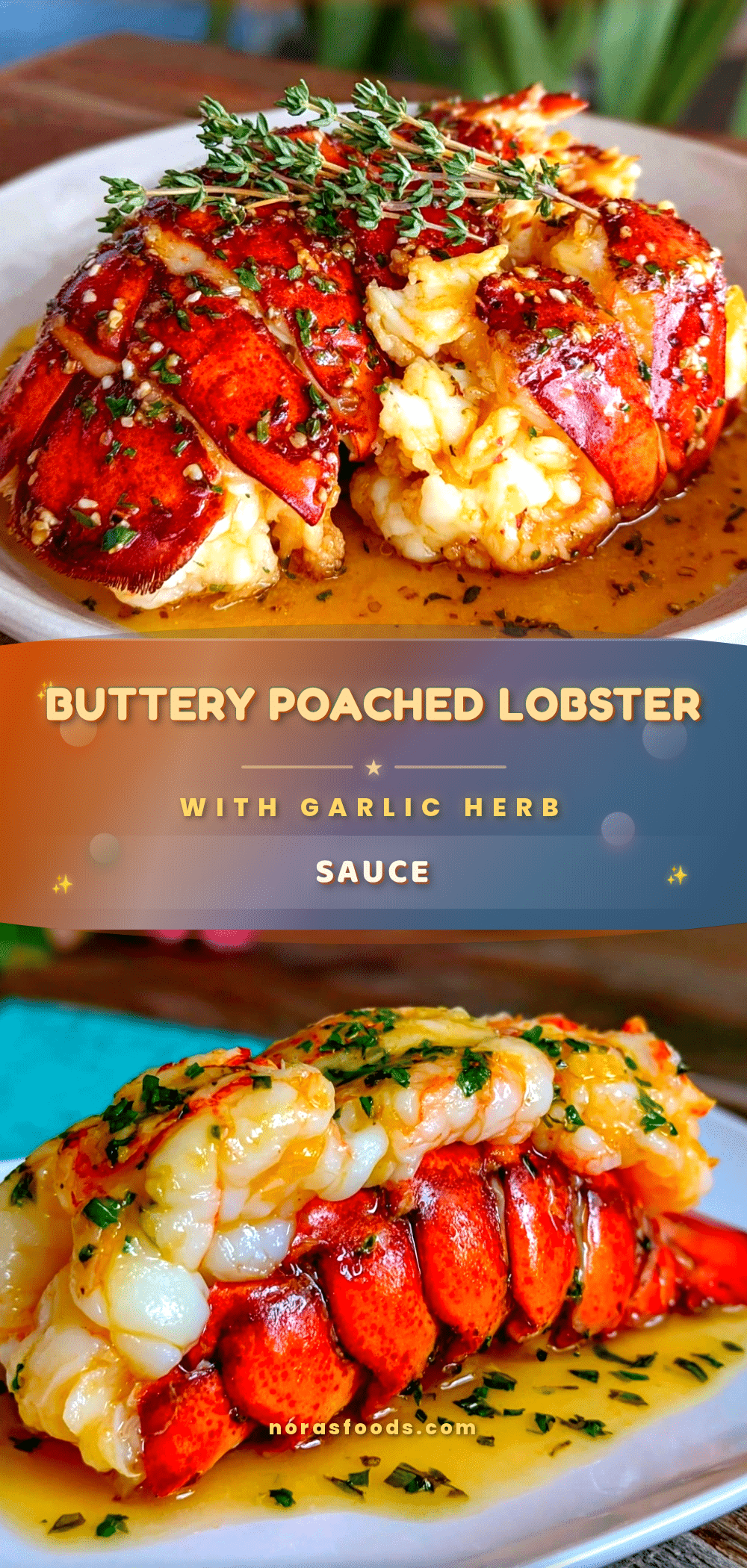
Perfect Butter Poached Lobster Tail Recipe with Easy Garlic Herb Sauce

Tender lobster tails gently cooked in warm butter and served with a fresh garlic herb sauce, creating a luxurious yet simple seafood dish perfect for special occasions or weeknight dinners.
- Prep Time: 10 minutes
- Cook Time: 10 minutes
- Total Time: 20 minutes
- Yield: 4 servings 1x
- Category: Main Course
- Cuisine: American
Ingredients
- 4 medium-sized lobster tails (about 6 oz / 170 g each)
- 1 cup (225 g) unsalted butter
- 3 cloves garlic, minced
- 2 tablespoons fresh parsley, finely chopped
- 2 tablespoons fresh thyme, finely chopped
- 1 tablespoon fresh lemon juice
- Salt to taste (preferably flaky sea salt)
- Freshly ground black pepper to taste
- Optional: pinch of red pepper flakes
- Optional: 2 tablespoons white wine
Instructions
- Prepare the lobster tails by cutting down the top of the shell lengthwise with kitchen shears, stopping just before the tail fin. Gently pull the shell apart and lift the meat, resting it on top of the shell (butterfly method).
- Melt 1 cup (225 g) unsalted butter in a large skillet over low heat until warm but not bubbling aggressively (about 120°F to 130°F).
- Stir in the minced garlic and fresh herbs (parsley and thyme) into the melted butter and let infuse gently for about 2 minutes, ensuring the garlic does not brown.
- Place the prepared lobster tails meat-side down into the warm butter, partially covering the meat. Poach gently, spooning butter over the tails every 2 minutes to keep them moist. Cook for 8-10 minutes until the meat turns opaque and is firm yet tender. Aim for an internal temperature of 140°F (60°C).
- Remove the tails from heat, squeeze fresh lemon juice over the lobster, and season with flaky sea salt and freshly ground black pepper. Spoon some garlic herb butter over the top before serving.
Notes
Keep the heat low and steady to avoid browning the butter. Spoon warm butter over lobster tails during cooking to keep meat moist. Use fresh lobster tails for best texture; thaw frozen tails slowly in the fridge overnight. Avoid overcooking to prevent toughness. Optional splash of white wine can add depth. For dairy-free option, substitute butter with coconut oil or vegan butter.
Nutrition
- Serving Size: 1 lobster tail
- Calories: 375
- Sodium: 150
- Fat: 30
- Saturated Fat: 18
- Carbohydrates: 1
- Protein: 27
Keywords: butter poached lobster tail, garlic herb sauce, lobster recipe, seafood, easy lobster recipe, special occasion seafood, buttery lobster